Beyond the Basics: What Comes After Your First Motorcycle Course
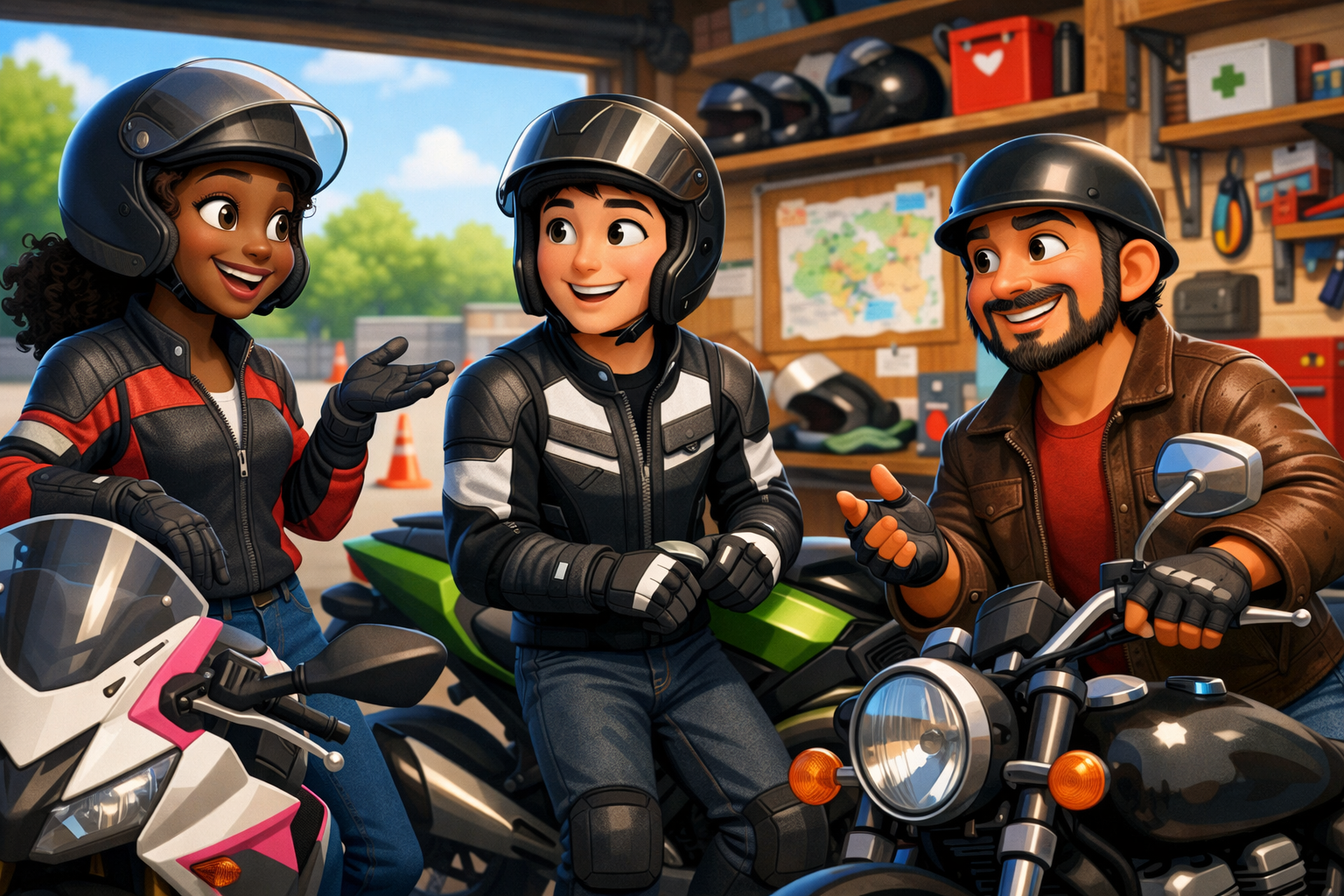
Finishing your Basic RiderCourse feels like graduating kindergarten. You’ve mastered the alphabet of riding—starting, stopping, turning, shifting—and the world suddenly looks full of promise. But just like kindergarten doesn’t make you a poet, the beginner course doesn’t make you a master rider. The truth hits quickly. Riding on the street is far more unpredictable than weaving through cones in a parking lot. Trucks tailgate, dogs dart into the road, and rain turns asphalt into a skating rink. That’s why so many riders start asking: what comes next?
Advanced and intermediate motorcycle courses pick up where the basics leave off. They’re designed for riders who can already handle the controls but want to sharpen their survival skills. Picture it as upgrading from the kiddie pool to the deep end. The same water, but the stakes are higher and the rewards greater. In these courses, you learn precision cornering, advanced braking, high-speed maneuvers, and defensive riding strategies that keep you safe when the world turns chaotic.
I once watched a rider named Devin, who thought he was “good enough,” nearly panic during a freeway merge. A week later, he signed up for an advanced class. After hours of learning how to read traffic, position himself for visibility, and brake without skidding, he came back glowing. “I didn’t realize how much I didn’t know,” he admitted. That humility—recognizing there’s always more to learn—is what makes advanced courses so valuable.
The First Steps into Intermediate Riding
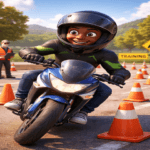
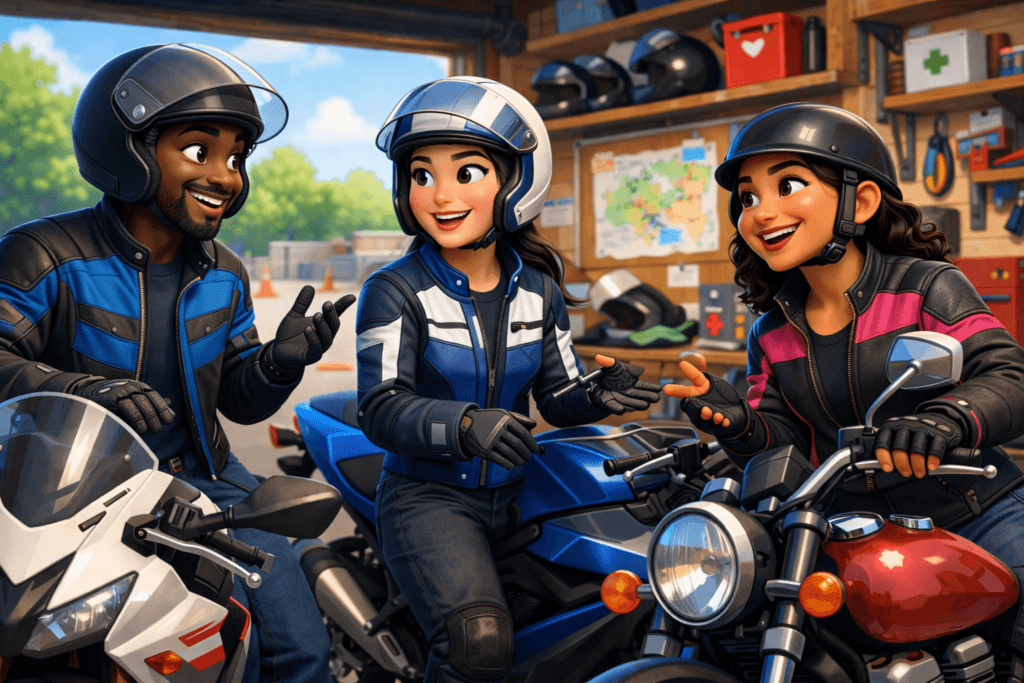
Intermediate courses often focus on refining the basics under pressure. It’s one thing to practice a swerve at 15 mph in a lot. It’s another to do it at 40 mph when a car cuts across your lane. These courses create safe environments where you can practice those skills without the risk of traffic. Instructors set up scenarios that mimic real-world problems, from sudden obstacles to slick surfaces.
Take the story of Amanda, who thought she had cornering nailed after her beginner course. She signed up for an intermediate session that spent an entire afternoon on controlled cornering. The difference was immediate. She learned how to look deeper into turns, how to manage throttle smoothly, and how to trust her bike’s lean angle. The next time she rode through a winding country road, she said she felt like the machine was an extension of her body rather than a wild horse she was trying to tame.
Intermediate classes also build confidence in group riding. Many riders join clubs or meetups and suddenly find themselves riding in a pack. That can be intimidating—keeping formation, signaling, managing speed. Courses often simulate group scenarios so you’re not learning on the fly with strangers. By the end, you understand spacing, communication, and the rhythm of riding with others.
Advanced Skills: From Parking Lot to Highway Survival
Advanced courses take it up another notch. These aren’t just about polishing your technique—they’re about preparing you for emergencies. One of the core drills is advanced braking. Stopping quickly without locking your wheels is harder than it sounds, especially on a heavy bike. Riders practice threshold braking until they can bring the machine to a halt smoothly and quickly, no panic involved.
Another common drill is evasive maneuvers. Instructors create scenarios where you have to swerve around a simulated hazard at speed. The first time, most riders stiffen up and fight the bike. By the end, they’ve learned to trust counter-steering and flow through the movement. These skills can mean the difference between a close call and a crash.
There’s also a focus on situational awareness. Advanced courses teach riders how to read traffic patterns, anticipate driver behavior, and position themselves to be seen. A rider I met in Arizona swore that his advanced course saved his life. “I learned to scan mirrors constantly, and one day it let me dodge an SUV that didn’t see me. Without that class, I’d be a statistic.” That’s the ultimate value of advanced training: giving you instincts that keep you alive.
Track Days: The Classroom with No Walls
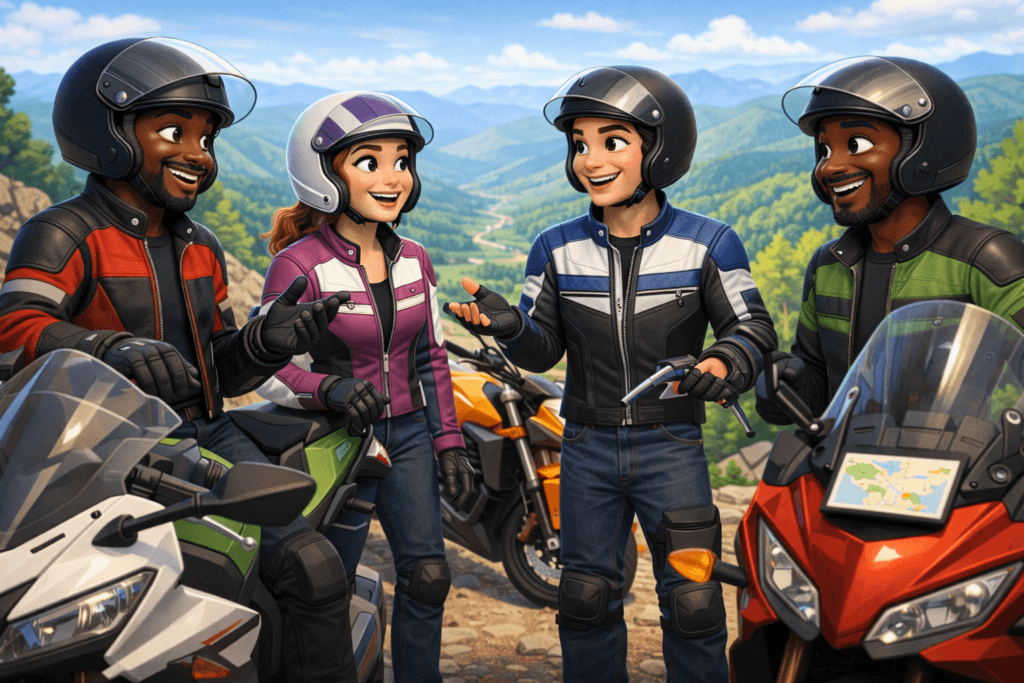
For riders who want to push their limits even further, track days offer a different flavor of advanced training. While not always labeled as “safety courses,” track sessions teach control at higher speeds in a closed environment. It’s not about racing—it’s about discovering what your bike can do without traffic, curbs, or speed limits holding you back.
I met a rider named Chris who thought track days were only for racers. After finally attending, he realized they were about mastery, not competition. Instructors showed him how to lean deeper, brake later, and accelerate with control. The result? When he returned to the street, everyday riding felt calmer. “If I can handle my bike at 80 on a track,” he said, “then merging onto the freeway at 60 feels like nothing.”
Track days also strip away distractions. No potholes, no SUVs, no stoplights. Just you, your bike, and the physics of motion. Riders come out with sharper reflexes and a better relationship with their machines. Even if you never want to race, a day at the track can be the ultimate advanced class.
Building Confidence Without Arrogance
The danger of progressing beyond basics is the temptation to get cocky. Riders sometimes confuse advanced training with invincibility. But good instructors hammer home the opposite: the more you learn, the more respect you develop for the risks. Advanced courses aren’t about showing off—they’re about riding longer, safer, and smarter.
One instructor told me, “Confidence without humility gets people hurt. Confidence with humility keeps them alive.” He’d seen riders transform from jittery beginners to smooth, controlled motorcyclists. But he’d also seen riders skip training, assume they knew it all, and end up with broken bones. That’s why advanced courses emphasize judgment as much as skill. It’s not just how to ride—it’s when and why.
Riders who take these lessons to heart often become mentors. They pass on safe habits to friends, family, or riding clubs. In this way, advanced training doesn’t just improve one rider—it ripples outward to improve the entire community.
The Lifelong Journey of Learning
Motorcycling isn’t something you master once and forget. It’s a lifelong journey. Weather changes, traffic changes, bikes change, and your own body changes. Advanced and intermediate courses recognize this reality. They’re not about ticking boxes—they’re about keeping skills sharp as the world evolves.
Think of it like musicianship. A beginner can strum a few chords and play a song. An intermediate keeps practicing scales and rhythm. An advanced player spends a lifetime refining technique, never finished, always curious. Riding is the same. The more you learn, the more you realize how much is left to discover.
If you’ve just finished your beginner course, don’t stop there. Invest in the next step. Whether it’s an intermediate class, an advanced safety course, or a track day, each one adds a layer of skill and security. Every course you take buys you more freedom, more joy, and more years on two wheels. Because the goal isn’t just to ride today—it’s to still be riding decades from now, with stories worth telling and scars you never had to earn.
Final Thought
Riding is supposed to make your life bigger, not shorter.
If something in this post made you think twice, good. That pause is where better decisions live.
Stick around.
Read more.
Learn from stories that weren’t free to earn.
Because the goal isn’t to ride harder.
It’s to ride longer.
— The Squirrelly Biker