Almost every new rider asks this question at some point, even if they do not say it out loud. Do I really need a motorcycle safety course, or can I just study the handbook, pass the test, and get on with it? The idea of sitting in a classroom and riding around cones in a parking lot does not sound glamorous. What sounds glamorous is the open road. What sounds glamorous is freedom.
But here is the truth most beginners do not hear early enough. A motorcycle license and the ability to ride safely are not the same thing. One is a legal requirement. The other is a survival skill. Confusing the two is where many riders start off wrong.
The Difference Between Legal and Prepared
A motorcycle license proves you met the minimum requirement set by your state. Minimum is the key word. Minimum does not mean confident in traffic. It does not mean skilled in emergency braking. It does not mean calm when a car drifts into your lane without signaling.
A safety course is not about paperwork. It is about preparation. It builds muscle memory before you ever need it under pressure. When something unexpected happens on a motorcycle, you do not rise to the occasion because you feel brave. You fall back on whatever you practiced. If you have practiced well, you respond smoothly. If you have not, you react with panic.
That difference shows up fast on two wheels.
“But My State Doesn’t Require It”
In some states, you can skip the safety course and take a skills test at the DMV. In others, completing a certified course lets you skip the riding test entirely. So yes, technically, a course may not be mandatory where you live.
But this is where many beginners frame the question wrong. They ask, “Is it required?” when they should be asking, “Is it wise?” Motorcycles offer far less room for error than cars. There is no metal cage around you. There are no airbags waiting to deploy. If something goes wrong, you feel it directly.
So while the law may say optional, the road does not care about legal minimums. The road responds only to skill.
The Myth of “I’ll Just Figure It Out”
Motorcycles look simple at first glance. Twist the throttle and go. Squeeze the brake and stop. Shift gears and cruise. It appears straightforward, especially if you have driven a car for years.
Then reality sets in.
You stall at an intersection with cars behind you. You grab too much front brake and feel the bike dip harder than expected. You approach a curve too fast and freeze instead of leaning smoothly. None of these moments are dramatic on their own, but they stack up quickly when you lack structured training.
Riding is not complicated, but it is precise. Clutch control, throttle roll-on, progressive braking, countersteering, and hazard awareness are learned skills. A safety course gives you a controlled place to practice those skills without traffic pressure. That controlled environment is not boring. It is protective.
What Actually Happens in a Safety Course
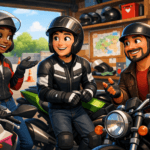
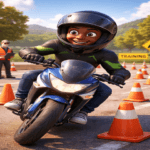
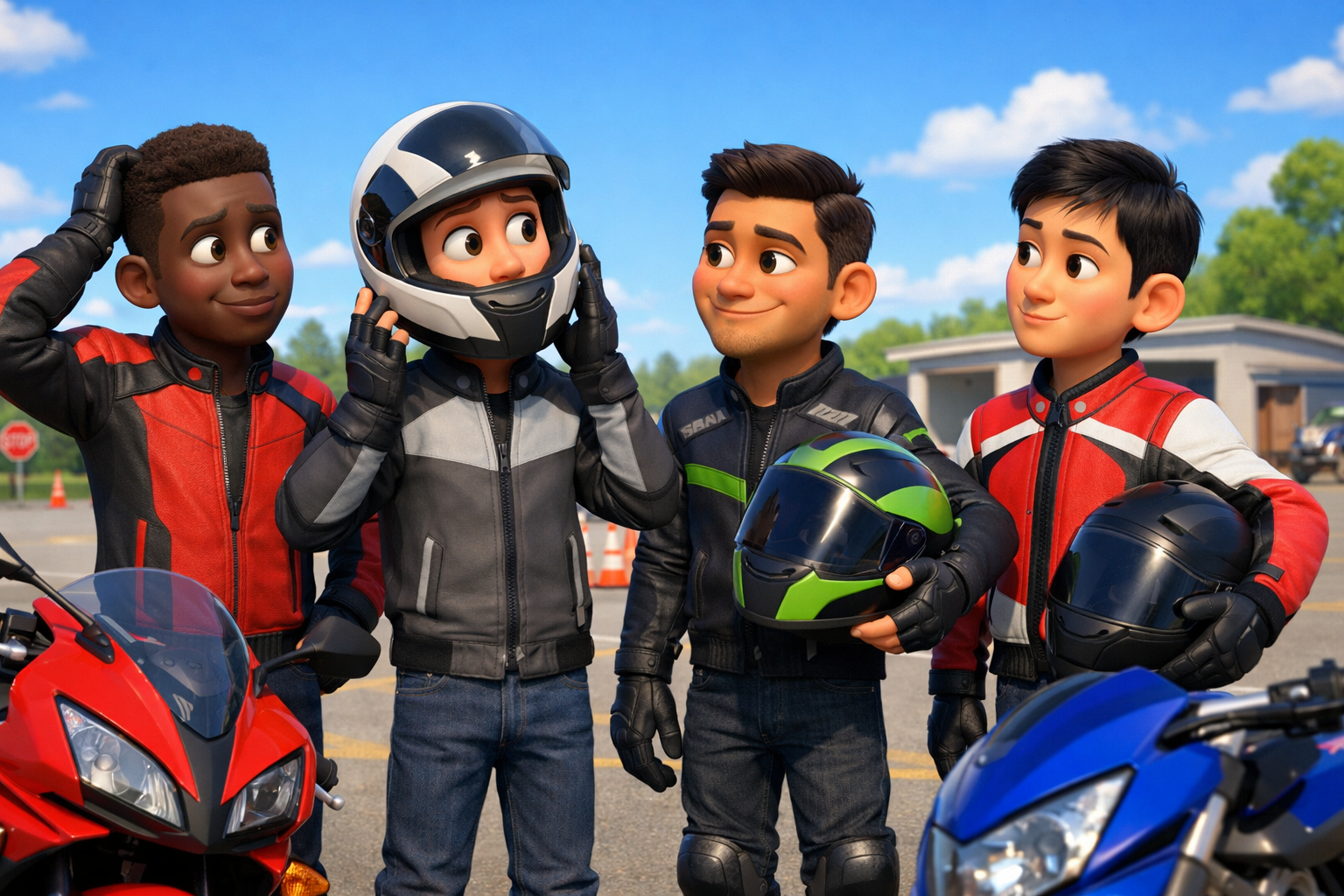
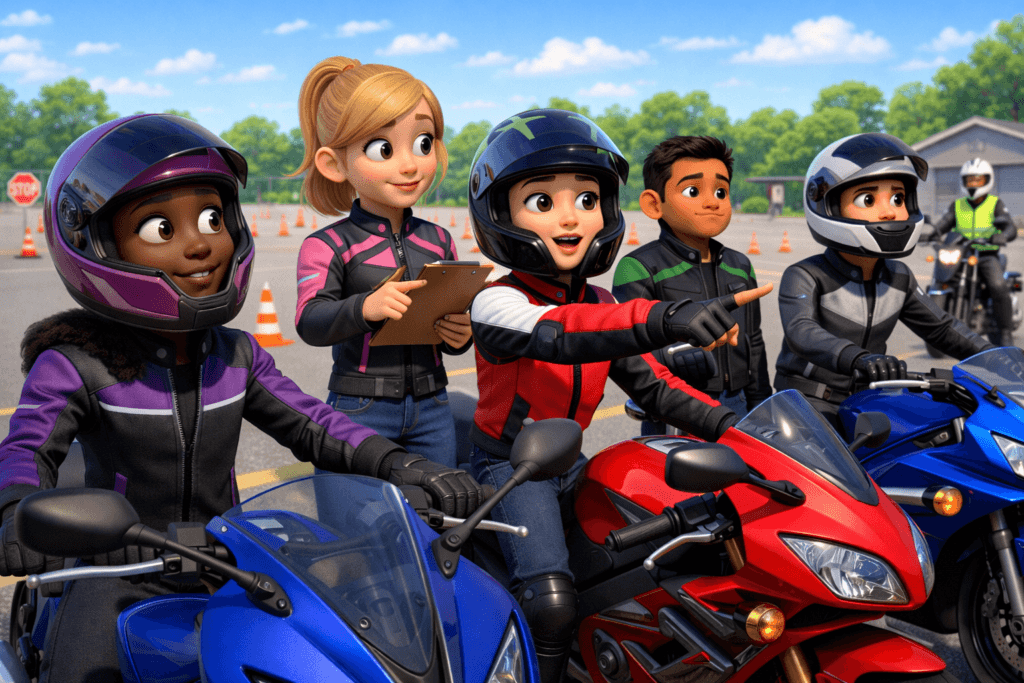
Many people imagine endless classroom lectures and very little riding. In reality, beginner courses are heavily focused on hands-on practice. Yes, there is classroom time, and it covers risk awareness, basic mechanics, and safety strategy. But most of your time is spent on the bike.
You learn how to mount and balance properly. You practice smooth starts without jerking forward or stalling. You shift gears repeatedly until it feels natural instead of mechanical. You practice controlled turns, tight maneuvers, and emergency stops. Instructors watch you closely and give direct feedback so you improve quickly.
You also learn the mental side of riding. How to scan traffic. How to position yourself in a lane for visibility. How to identify escape routes at stoplights. These habits are rarely intuitive, yet they matter more than raw throttle control.
The Confidence Nobody Talks About
Here is what many beginners will not admit. Riding can feel intimidating at first. Even if you are excited. Even if you have wanted a motorcycle for years. Even if you already bought the jacket and gloves.
The first time you twist the throttle, your brain registers speed differently than it does in a car. You are exposed. You feel the wind. You feel the balance shift under you. That sensation is thrilling, but it can also be overwhelming.
A safety course helps you build confidence in layers. You start slow. You practice repeatedly. You make small mistakes in a controlled setting. As your skill grows, your anxiety shrinks. That steady build is far better than trying to develop confidence while real traffic surrounds you.
Learning in public traffic is like learning to swim in the deep end. It is possible, but it adds pressure you do not need.
The Cost Argument
Many riders hesitate because of the cost. A beginner motorcycle safety course often runs a few hundred dollars. At first glance, that feels like another expense on top of buying a helmet, gloves, boots, and possibly the motorcycle itself.
But consider the alternative costs. A minor crash can easily exceed the price of a course in repairs alone. A hospital visit costs far more. Insurance premiums can rise after incidents. Even replacing damaged riding gear adds up quickly.
Some insurance companies offer discounts for completing an approved course. In some states, the course allows you to skip the DMV skills test. Over time, the course often pays for itself in more ways than one.
Viewed properly, it is not an extra expense. It is foundational investment.
What If You Fail?
Another quiet fear sits in the background. What if I take the course and fail? No one wants to look unprepared in front of strangers.
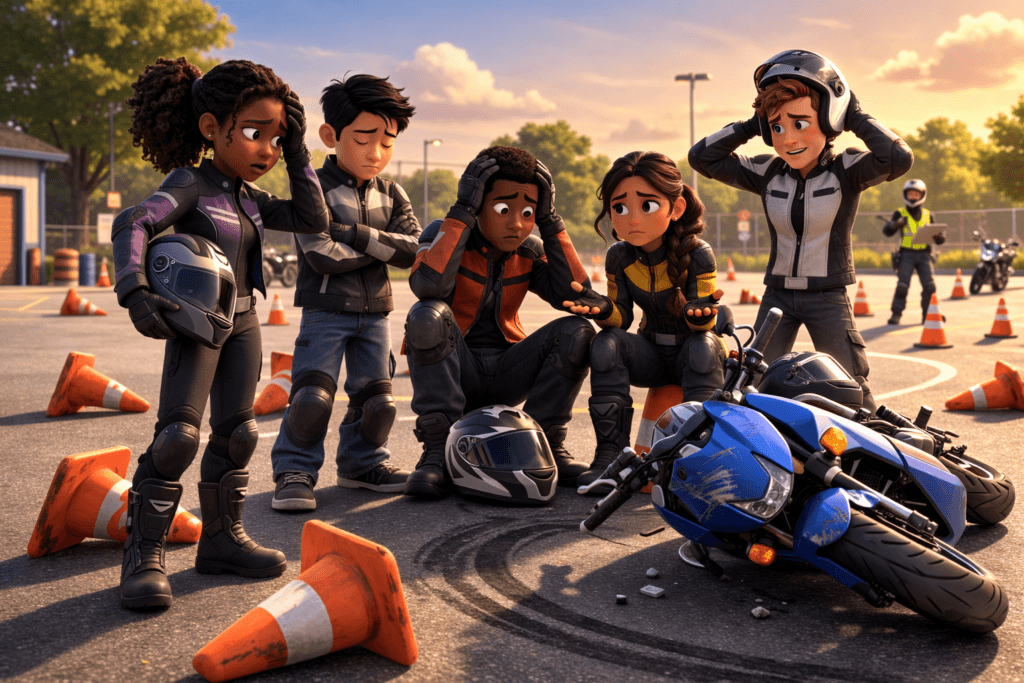
The reality is that beginner courses are designed to teach, not embarrass. Instructors want students to succeed. They coach, correct, and encourage. If someone struggles, it usually becomes clear early enough to work through the issue.
And if someone does not pass on the first try, that information is valuable. It is better to discover weaknesses in a parking lot than at a busy intersection. A course gives you feedback before the stakes are high.
That is not failure. That is refinement.
The Ego Factor
There is also social pressure. A friend might say they never took a class and learned on their own. Stories like that sound bold and independent. They also leave out the near misses, the close calls, and the early mistakes that could have gone much worse.
Skill learned through repeated trial and error often comes with stress and sometimes scars. Structured training compresses that learning curve. It allows you to benefit from someone else’s experience without paying the full price for every lesson.
There is nothing weak about preparation. In fact, disciplined riders tend to stay on the road longer than reckless ones.
What Experienced Drivers Overlook
Many adults assume that years of driving experience will naturally transfer to riding. Traffic awareness helps, but motorcycles require a different mindset. You are smaller and less visible. You must think further ahead because you cannot rely on size or structure for protection.
Braking habits in a car do not translate directly to a motorcycle. Sudden hard braking can destabilize a bike. Cornering requires deliberate lean control, not just steering input. Road hazards that barely affect cars can unsettle two wheels quickly.
A safety course bridges that gap. It retrains your instincts for a lighter, more responsive machine.
The Long-Term Perspective
The most important shift a safety course creates is mental. You stop seeing riding as a thrill to chase and start seeing it as a skill to master. That shift changes your habits. You become smoother. More observant. More strategic.
Instead of reacting late, you anticipate early. Instead of chasing speed, you value control. These habits protect you not just during your first month of riding, but for years to come.
Getting your license is simple. Becoming competent is intentional.
So Do You Need It?
Legally, maybe not. Practically, yes.
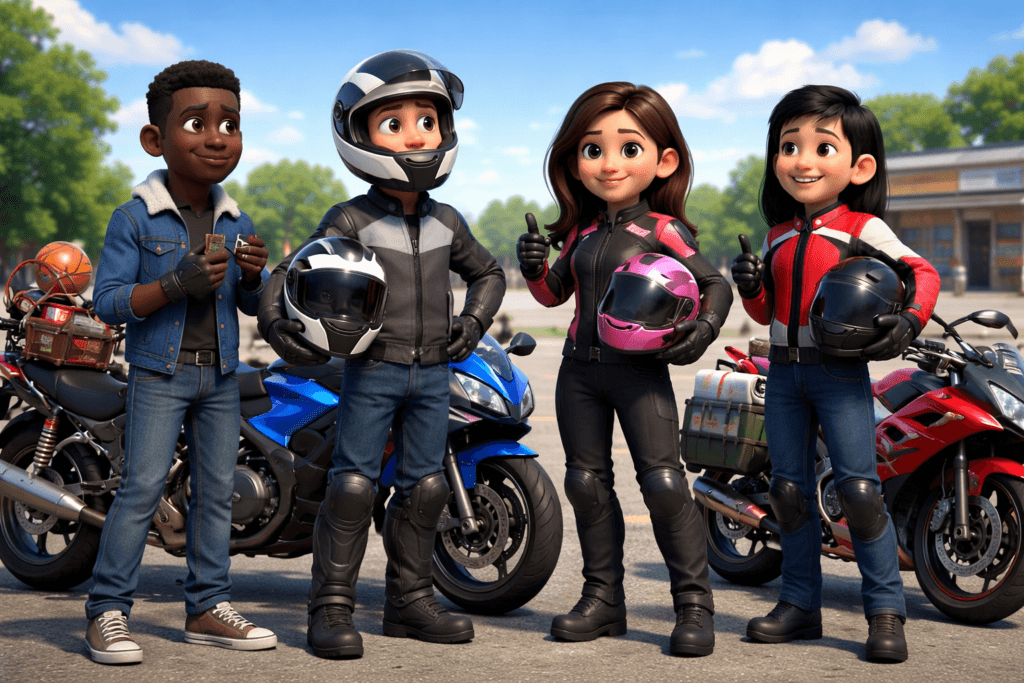
If you care about building confidence instead of fear, skill instead of guesswork, and long-term enjoyment instead of short-term excitement, a motorcycle safety course is one of the smartest first steps you can take. It shortens your learning curve and lowers your risk at the same time.
The open road will still be there after the weekend class. In fact, it will feel better when you know you are ready for it.
Because riding is not just about moving forward.
It is about staying upright while you do.
Final Thought
Riding is supposed to make your life bigger, not shorter.
If something in this post made you think twice, good. That pause is where better decisions live.
Stick around.
Read more.
Learn from stories that weren’t free to earn.
Because the goal isn’t to ride harder.
It’s to ride longer.
— The Squirrelly Biker