The Price Tag Is Only the Beginning
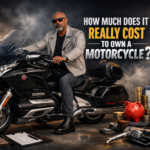
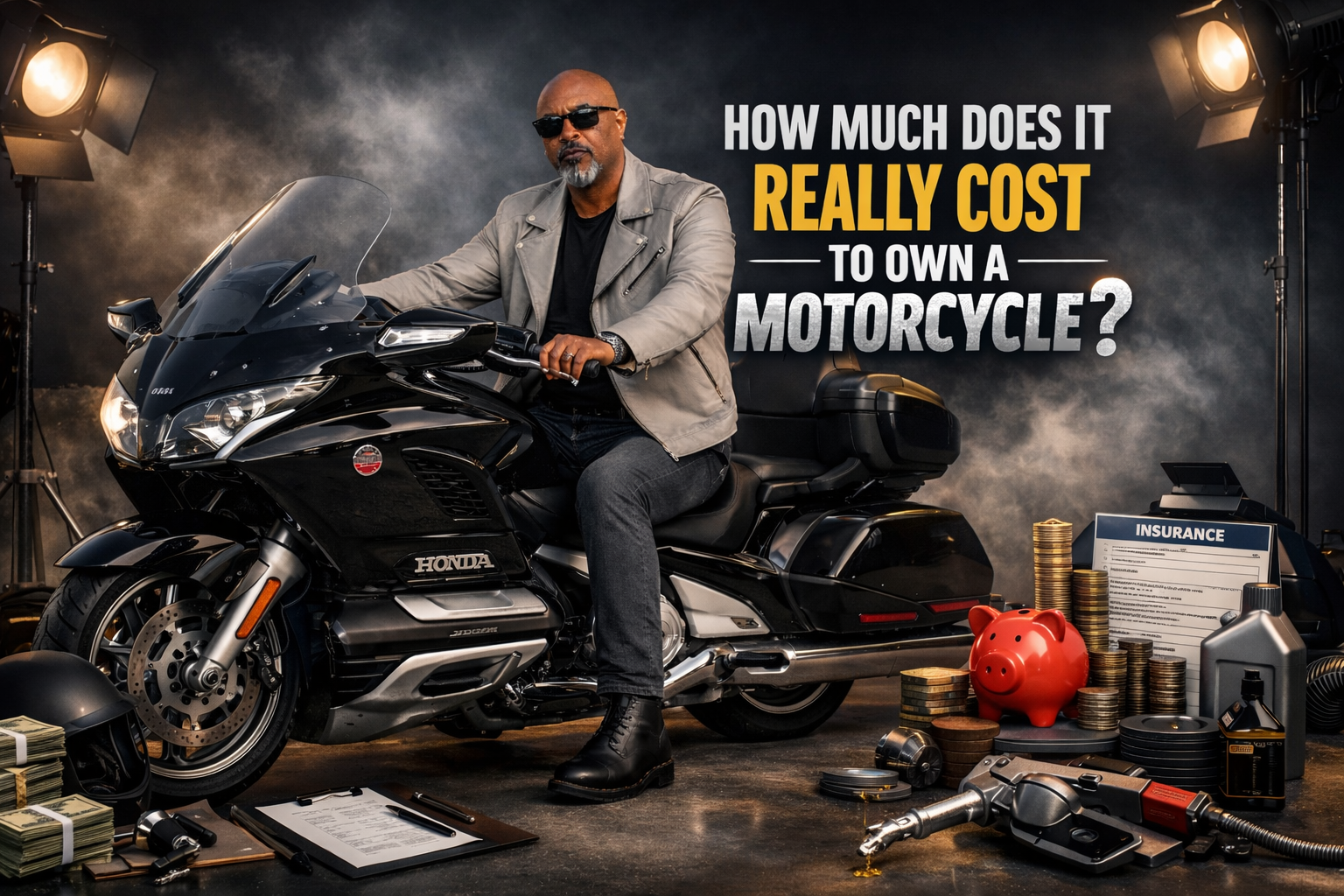
When most people start thinking about buying a motorcycle, they focus on one number. The price of the bike. That makes sense because it is the biggest number staring at you from the listing or dealership floor. But that number tells only a small part of the story. Motorcycle ownership comes with several other costs that show up before and after the bike enters your garage.
New riders often assume motorcycles are automatically cheap to own. After all, the machines are smaller than cars and use less fuel. The logic seems obvious. Smaller machine, smaller costs.
Reality is a little more complicated.
Motorcycles can absolutely be affordable. But affordability only happens when riders understand the full financial picture before they buy. When people skip that step, the surprise costs pile up and the excitement of ownership turns into stress.
Understanding the real cost of riding does not ruin the dream. It protects it.
The Motorcycle Purchase Is Only Step One
A motorcycle advertised for five thousand dollars rarely costs exactly five thousand dollars by the time it reaches your driveway. Dealerships add several charges that new buyers often overlook. Taxes alone can increase the final price noticeably, especially in states with higher sales tax rates.
Dealers also include documentation fees, destination charges, and registration costs. Some of these charges are reasonable administrative costs. Others feel like creative ways to turn a five thousand dollar motorcycle into a six thousand dollar purchase.
Used bikes reduce some of this pressure, especially when bought through private sellers. Even then, riders still pay registration, title transfer fees, and sometimes immediate maintenance if the previous owner skipped routine service.
The point is simple. The purchase price is only the opening move.
The real cost begins once the paperwork is signed.
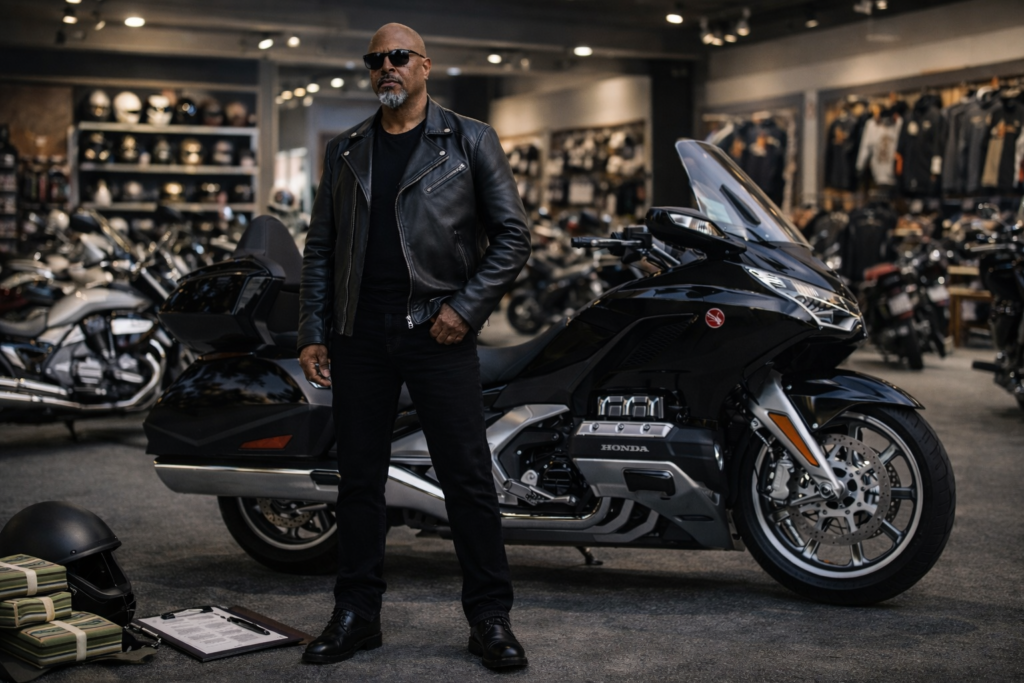
Gear Is a Real Investment
One of the most common mistakes new riders make is spending their entire budget on the motorcycle itself. Gear becomes an afterthought, which leads to rushed purchases or dangerously cheap equipment.
Good gear protects the only part of the motorcycle that cannot be replaced. The rider.
A basic but solid gear setup usually includes a helmet, jacket, gloves, boots, and riding pants. Prices vary widely depending on brand and materials, but beginners often spend between five hundred and twelve hundred dollars for a complete set of decent equipment.
Helmets alone can range from one hundred fifty dollars to six hundred dollars depending on quality and safety certifications. Jackets often fall between one hundred fifty and four hundred dollars, while gloves and boots add another one hundred to four hundred dollars combined.
These numbers surprise many beginners, but quality gear pays for itself in safety and comfort. Riders who buy extremely cheap gear often replace it quickly because it becomes uncomfortable, noisy, or worn out.
Buying once usually costs less than buying twice.
Insurance Can Catch Beginners Off Guard
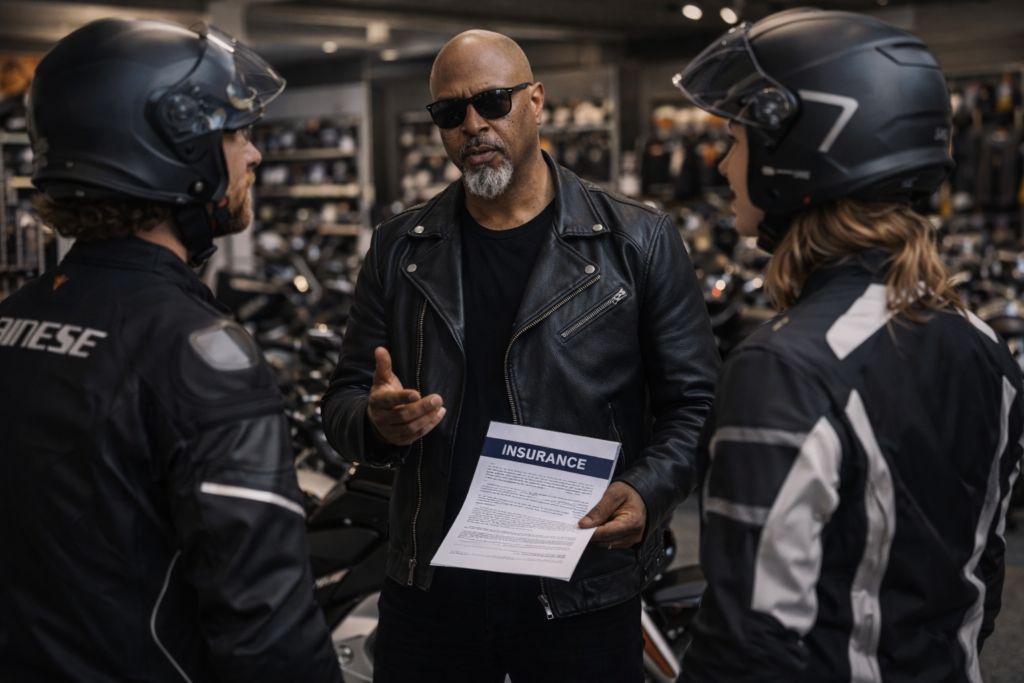
Many first-time riders assume motorcycle insurance will be extremely cheap. Sometimes it is, but that depends on several factors working in the rider’s favor.
Insurance companies calculate risk based on age, riding experience, location, and the type of motorcycle being insured. A beginner riding a high-powered sport bike in a busy city will almost always see higher insurance premiums than someone riding a smaller commuter bike in a quiet town.
Typical annual insurance costs can range from two hundred dollars for low risk riders to well over one thousand dollars for riskier combinations of bike and rider profile. Beginners often land somewhere between four hundred and nine hundred dollars per year.
The smartest move is checking insurance quotes before buying the motorcycle. Many riders skip this step and discover the cost only after they already committed to the purchase.
That moment can feel like opening a surprise bill you did not expect.
Maintenance Happens More Often Than People Expect
Motorcycles often cost less than cars when it comes to large repairs. However, motorcycles require maintenance more frequently, which means smaller expenses appear regularly throughout the year.
Tires are a good example. Motorcycle tires wear out faster than car tires because the rubber compound is softer and the contact patch with the road is smaller. Riders typically replace tires somewhere between four thousand and ten thousand miles depending on riding style and tire type.
A new set of tires usually costs between two hundred fifty and five hundred dollars installed.
Oil changes are also more frequent on motorcycles. Many bikes require oil changes every three thousand to five thousand miles. Riders who handle the work themselves can keep the cost fairly low, while shop service adds labor charges.
Chain maintenance is another recurring task for many motorcycles. Chains must be cleaned and lubricated regularly and eventually replaced along with the sprockets. A full chain and sprocket replacement can cost between one hundred fifty and four hundred dollars depending on the bike.
None of these costs are overwhelming on their own, but they show up regularly.
And regular expenses deserve a place in the budget.
Fuel Savings Are Real but Not Magical
One of the biggest selling points for motorcycles is fuel efficiency. Many bikes achieve between fifty and seventy miles per gallon, which is far better than the average car.
That efficiency becomes noticeable for riders who commute frequently. Someone riding to work every day may cut their fuel spending significantly compared to driving a car.
However, fuel savings alone do not make motorcycles financially superior in every situation. Riders who only use their motorcycles occasionally may save very little on gas, especially when insurance and maintenance are considered.
Fuel efficiency is helpful, but it is only one part of the ownership equation.
Motorcycles are not magic money machines.
They are machines that happen to be fun.
The Upgrade Temptation Is Real
Motorcycles have a funny effect on people. Riders often start with the best intentions, promising themselves they will keep everything stock.
Then the upgrade browsing begins.
Maybe the seat feels uncomfortable during longer rides. Maybe the exhaust sounds too quiet. Maybe the mirrors vibrate or the wind hits the helmet at the wrong angle. Before long the rider starts researching accessories and aftermarket parts.
Common upgrades include better seats, phone mounts, luggage systems, windshields, and performance exhausts. None of these are required, but many riders eventually install at least a few improvements.
First year upgrade spending often lands somewhere between five hundred and two thousand dollars for enthusiastic owners. Some riders go far beyond that.
The key lesson is not avoiding upgrades completely. It is recognizing that they exist and planning for them instead of pretending they will never happen.
Training Is an Investment That Pays Back
Motorcycle safety courses are often recommended for beginners, and for good reason. These classes teach new riders how to handle their bikes safely while practicing emergency skills in controlled environments.
Courses typically cost between two hundred and four hundred dollars depending on location and program type. Some riders hesitate when they see the price, especially after already spending money on the motorcycle itself.
However, the value of professional training becomes clear very quickly. Riders learn braking techniques, slow speed control, and hazard awareness that many self-taught riders never develop properly.
Some insurance companies also offer discounts to riders who complete approved training programs.
In other words, the course may save money while also reducing risk.
That is a rare combination.
The Small Costs That Add Up
Beyond the major expenses, motorcycle ownership also includes a handful of small recurring costs. These items rarely get attention in beginner discussions, yet they quietly appear throughout the year.
Cleaning supplies, chain lubricant, battery replacements, and occasional gear replacements all fall into this category. None of these items are expensive individually, but together they create a steady trickle of spending.
Many riders spend between one hundred and three hundred dollars per year on these smaller items. It is not a painful amount, but it is still part of the full ownership picture.
Ignoring these costs does not make them disappear.
It only makes them more surprising.
thesquirrellybiker.com_
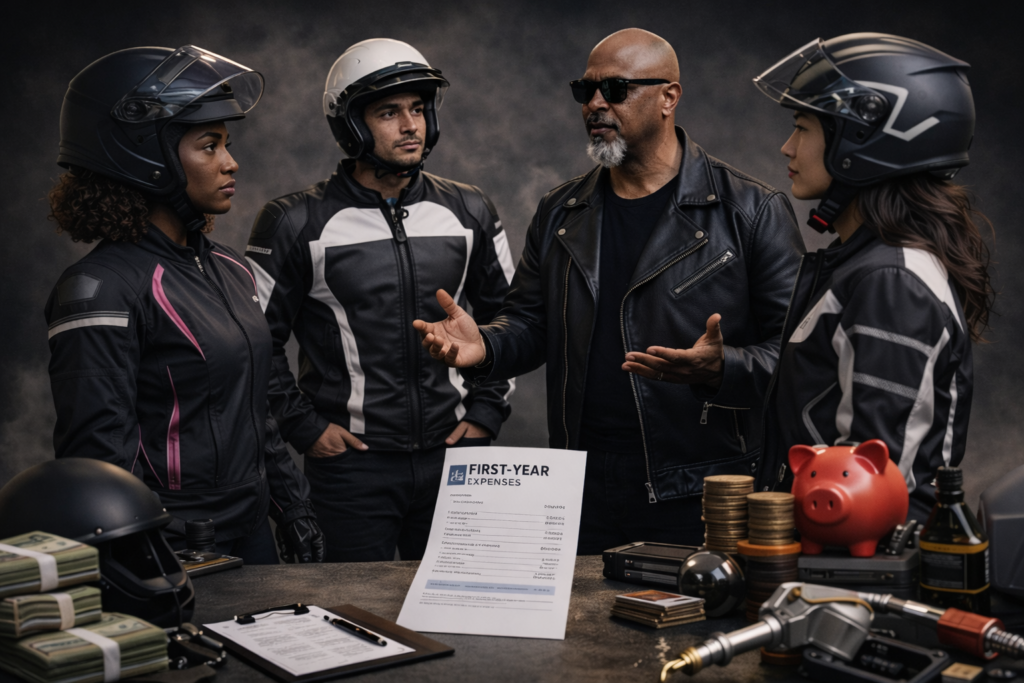
When all expenses are combined, the first year of motorcycle ownership often looks something like this for a typical beginner:
- Motorcycle purchase around five thousand dollars.
- Taxes and registration roughly eight hundred dollars.
- Gear investment around eight hundred dollars.
- Insurance around six hundred dollars.
- Training course around three hundred dollars.
- Maintenance and supplies roughly four hundred dollars.
That brings the total close to eight thousand dollars for the first year.
Some riders spend less. Others spend more depending on the motorcycle and location. The purpose of this estimate is not to scare new riders. It is simply to replace guesswork with clarity.
Clarity keeps people riding longer.
The Value of Riding Goes Beyond Money
Despite the financial reality, millions of riders happily accept the cost of motorcycle ownership. The reason is simple.
Riding offers experiences that are hard to measure in dollars.
Morning commutes feel completely different when the wind is moving around you instead of air conditioning blowing through a vent. Weekend rides through open roads create a sense of freedom that many people struggle to find elsewhere.
Motorcycles turn transportation into something active instead of passive.
That experience is the real return on investment.
Financial Clarity Keeps Riders on the Road
Many riders who leave the hobby do not quit because they stopped enjoying motorcycles. They quit because the financial surprises piled up faster than expected.
That outcome is avoidable.
When riders understand the real cost of ownership, they plan accordingly. They budget for gear, insurance, maintenance, and occasional upgrades. Instead of reacting to surprise expenses, they anticipate them.
That small shift in mindset changes everything.
Motorcycle ownership becomes sustainable instead of stressful.
And sustainable riders stay in the game much longer.
Final Thought
Riding is supposed to make your life bigger, not shorter.
If something in this post made you think twice, good. That pause is where better decisions live.
Stick around.
Read more.
Learn from stories that weren’t free to earn.
Because the goal isn’t to ride harder.
It’s to ride longer.
— The Squirrelly Biker