
My friend Mike passed his Motorcycle Safety Foundation (MSF) course on a Tuesday. By Friday he had a title in hand, a bike in his garage, and a feeling in his stomach that had nothing to do with confidence. Nobody tells you that the course ends and the actual learning starts right after, usually somewhere you didn’t plan for it to start. Mike’s was a merge lane on a highway he’d never ridden, going faster than he’d ever gone on two wheels, realizing in real time that a weekend class had taught him the rules of riding but not the feel of it.
That gap is the whole point of this post. We hand new riders a license and call it readiness. We treat the test like a finish line instead of what it actually is, which is a permission slip. The real education starts the moment you’re alone on the bike with nobody grading you, and most of us are figuring that part out solo, one uncomfortable mile at a time.
The License Was Never the Lesson
Here’s what the MSF course actually does well. It teaches you the mechanics. Clutch control, braking, low speed maneuvers, the basics of not dropping the bike in a parking lot. That matters, and I’m not knocking it. But mechanics and judgment are two different skill sets, and only one of them gets tested before they let you loose on public roads.
Judgment is what tells you not to take that gap in traffic even though your hands know how to execute the move. Judgment is reading a driver’s body language two cars ahead and already adjusting your lane position before anything happens. Judgment is knowing the difference between a road that looks fine and a road that is actually fine, because gravel, oil, and bad pavement don’t show up on a written test. None of that comes from a weekend course. It comes from time in the seat, and usually from a few moments that scared you enough to actually stick.
I think about how much of my own life has worked this way. You get handed the credential, the title, the piece of paper that says you’re qualified, and then you find out the credential was just the entry fee. The real work starts after, when nobody’s watching and nobody’s grading, and you’re the only one who knows whether you actually did the work or just collected the paper.
The Riders Who Actually Get Good Learn a Different Way
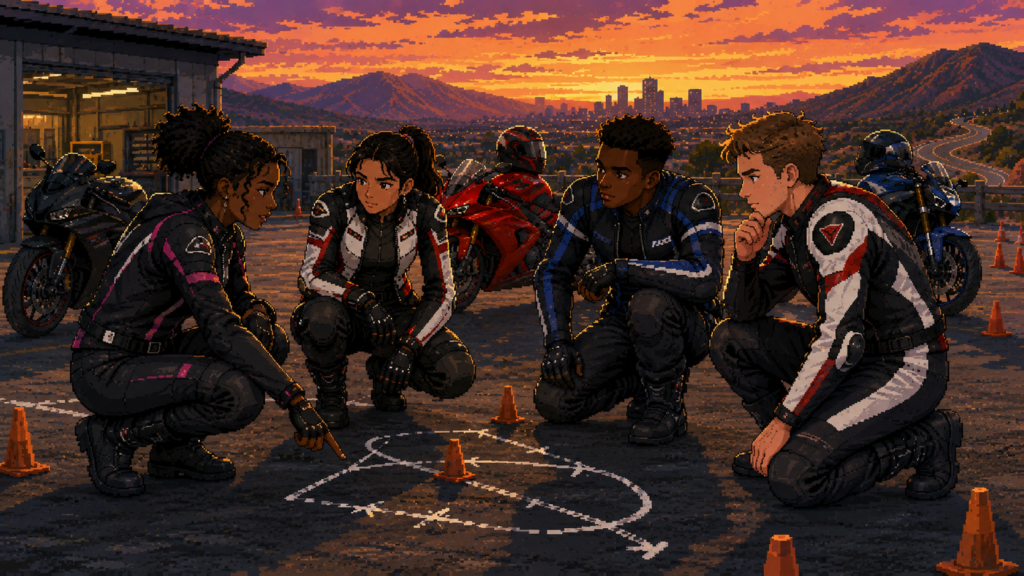
Ask any rider who’s been doing this for a decade or more how they really learned, and almost none of them point back to their license course. They point to a mentor who rode next to them and corrected their lines. They point to a bad low-side that taught them more about traction than any classroom ever could. They point to years of just putting in miles, paying attention, and adjusting.
That’s not a knock on formal training. It’s a fact about how skill actually develops. Riding is a physical skill layered on top of a judgment skill, and judgment only builds through repetition and consequence. You can’t lecture your way into good instincts. You earn them by riding in the rain once and hating it, by getting caught in gravel once and learning what your bike does underneath you, by following someone better than you and watching what they do differently.
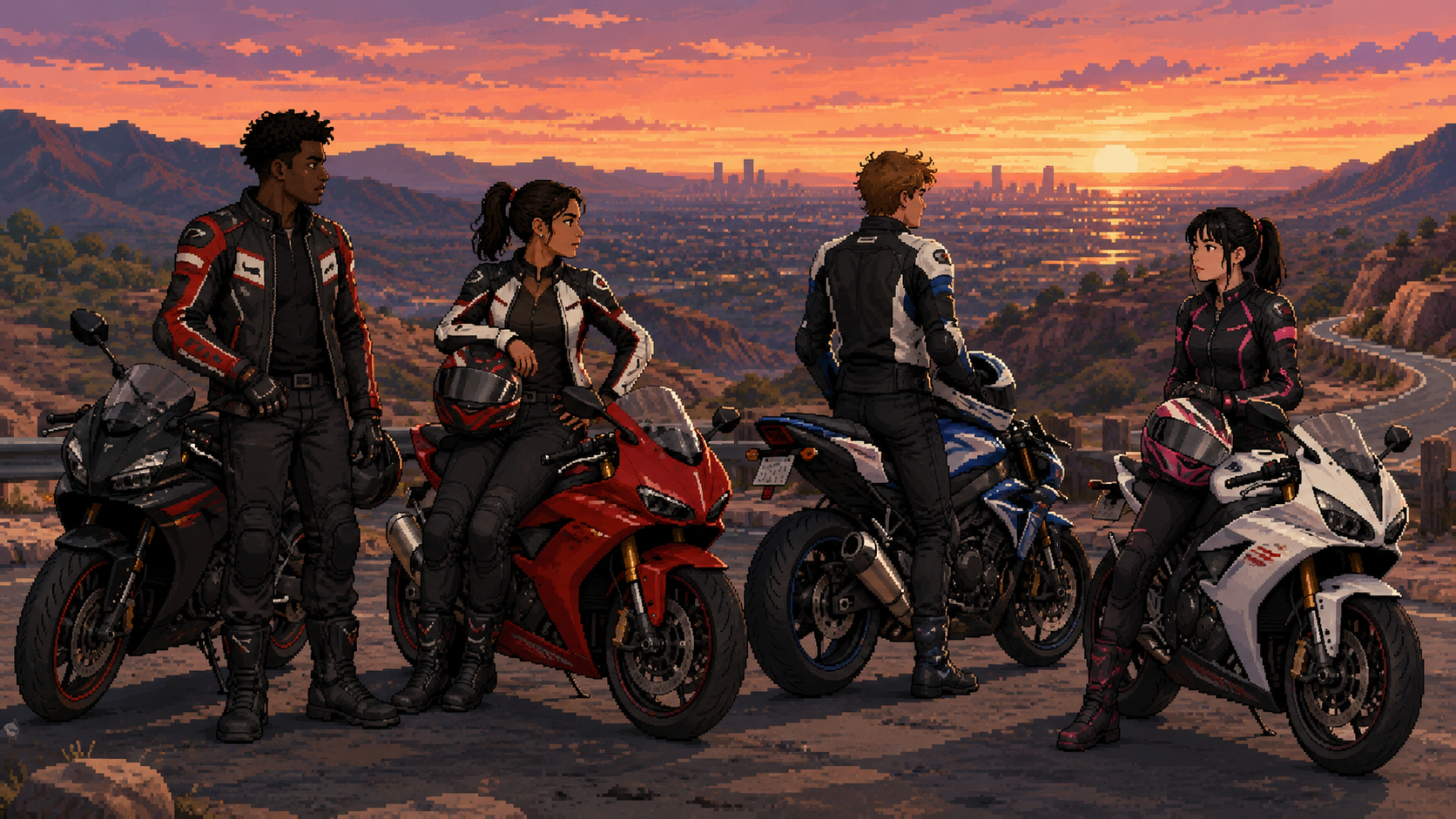
This is where the culture actually helps, when it’s working right. A rider who’s willing to take a newer rider out, slow down for them, and talk through decisions in real time is doing more for that person’s safety than any course could. The problem is that too many experienced riders keep that knowledge to themselves, either because nobody offered it to them or because they’ve decided gatekeeping is part of the culture. It shouldn’t be. The riders who last the longest are usually the ones who had somebody willing to ride slow and teach for a season.
Stop Treating “I Have My License” Like an Answer
There’s a pride thing that happens with new riders, and honestly with experienced ones too. Once you’ve got the license, admitting you still have gaps feels like admitting you shouldn’t have it. So people stop asking questions. They stop taking advanced courses because doing so might suggest the first course wasn’t enough. They ride scared and call it careful, or they ride reckless and call it confident, and either way they never go back to actually build the skill they’re missing.
The riders who improve the fastest are the ones who treat the license as day one, not as proof they’ve arrived. They take the advanced course two years in, not because they crashed, but because they got curious about what they still didn’t know. They ask the guy at the gas station with thirty years on a bike how he reads intersections. They watch how someone corners better than them and try to figure out what’s different about the lean, the eyes, the throttle control. That kind of humility is rare, and it’s exactly what separates riders who plateau from riders who keep getting better.
I’ll be honest, this took me longer to learn than I want to admit. I rode for two years thinking I was solid because nothing bad had happened yet. Nothing bad happening isn’t the same as being good. It just means you haven’t been tested yet. The day I got tested, I found out fast how much I still didn’t know, and it wasn’t the MSF course that got me through it. It was everything I’d picked up since, mostly by accident, mostly by paying attention to people who knew more than me.
What This Actually Means for You
If you’re newer to this, here’s the honest version nobody hands you with your license. You’re not done learning. You’re barely started. The class taught you enough to be legal, not enough to be good, and that’s not an insult, it’s just the truth about what a weekend course can realistically cover. Find people who ride better than you and are willing to show you why. Take the advanced course even if it feels unnecessary. Pay attention to the moments that scare you instead of just being relieved they’re over, because those moments are where the real lessons live.
If you’ve been riding a while, the challenge is different. Somebody probably helped you get better, even if it wasn’t formal. Be that person for somebody else. Slow down on a ride so a newer rider can keep up and actually watch what you do. Answer the question instead of making them feel small for asking it. The culture gets better every time somebody with real miles decides to teach instead of gatekeep.
Nobody taught you to ride. They handed you a bike and a license and let the road do the rest. That’s not a flaw in the system, it’s just how this particular skill works. But it means the responsibility for getting good sits entirely with you, and the fastest way through it is finding people willing to ride beside you while you figure it out.
Ronnie Canty | The Squirrelly Biker