You pass the course. You get the little completion card, maybe a discount on insurance, and a firm handshake from an instructor who has seen a thousand riders just like you. Everybody claps. Somebody takes a photo. And two weeks later you are sitting at a red light in real traffic, sweat running down your back, realizing the course never once mentioned what to do when the guy behind you is riding your bumper in a truck built to erase you.
That is the gap nobody talks about. The safety course teaches you the bike. It does not teach you the road, and it definitely does not teach you what is going to happen inside your own head the first time something goes sideways. Forty years in, I still remember exactly how naked that gap felt. Nobody warns you about it because admitting it exists means admitting the course was never the finish line. It was the first ten feet of a very long driveway.
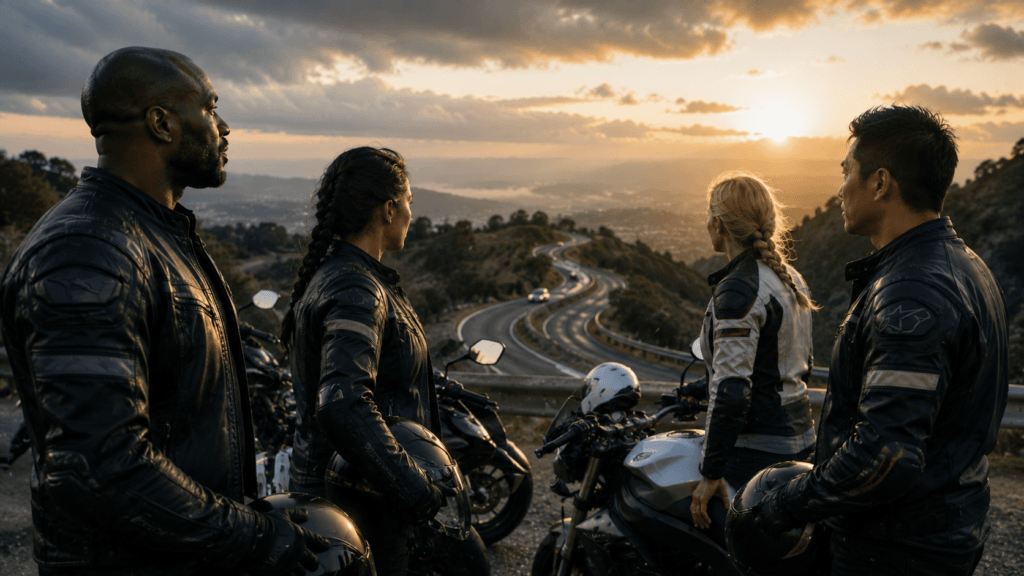
The Course Teaches Mechanics. The Road Teaches Judgment.
Every safety course on earth covers the same basics. Clutch control, braking technique, how to counter-steer, how to read the friction zone until your wrist aches from practicing it in a parking lot. That stuff matters. Nobody is arguing it does not. But mechanics are the easy part. Your hands learn mechanics in a weekend because your hands are not the problem.
Judgment is the problem, and judgment cannot be taught in a parking lot with cones. Judgment is knowing which car in the left lane is about to drift into you before their blinker even thinks about turning on. It is reading a driver’s head position through their windshield and deciding they have not seen you yet, even though logically they should have. Nobody can hand you that skill on a completion certificate. You build it one close call at a time, usually while your heart is trying to climb out through your throat.
This is exactly why so many new riders show up sounding more confident than they feel. They picked up the vocabulary fast. Countersteering, apex, target fixation, they can say all of it. But there is a real difference between knowing the words and actually trusting your gut at sixty miles an hour when a deer steps out of the tree line. The course gave you the language. The road is going to give you the actual education, and it does not care whether you feel ready for the lesson.
Fear Doesn’t Leave. It Just Changes Seats.
Nobody tells you that the fear from your first ride never fully goes away. It just moves. Early on it rides right up front, screaming at you about every lane change and every merge. Years in, it moves to the back seat and goes quiet most of the time, but it is still there. It shows up on wet roads, on unfamiliar mountain switchbacks, on the first cold morning ride of the season when your tires have not warmed up and neither has your brain.
The safety course, by design, cannot prepare you for that because that course exists to get you licensed, not to get you honest. Being honest about fear is a separate skill, and it is one a lot of riders never build because admitting fear feels like admitting weakness in a culture that prizes looking unshakable. That is a mistake. The riders who last decades are not the fearless ones. They are the ones who made peace with the fear and let it do its actual job, which is keeping them sharp instead of shutting them down.
I think about the riders I have watched quietly stop showing up to group rides, never quite explaining why. Some of them will tell you it was scheduling. It usually was not. Somewhere along the way the fear stopped feeling manageable and got mistaken for a sign they had lost the nerve for this, instead of a sign they were simply human. Nobody in that safety course classroom warned them that would happen, or that it is normal, or that it does not mean they are done.
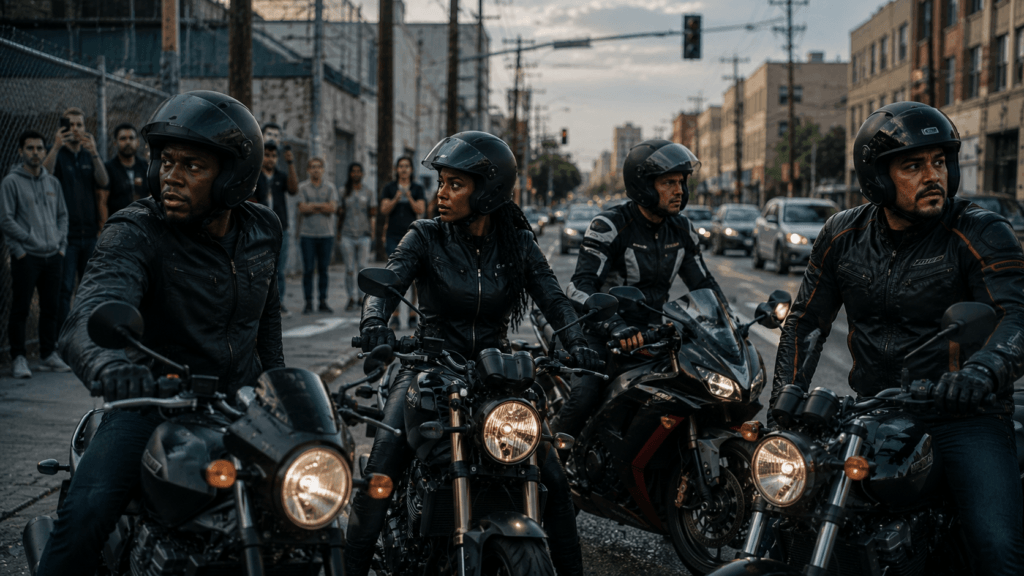
Confidence Is Built in Public, Which Is the Cruelest Part
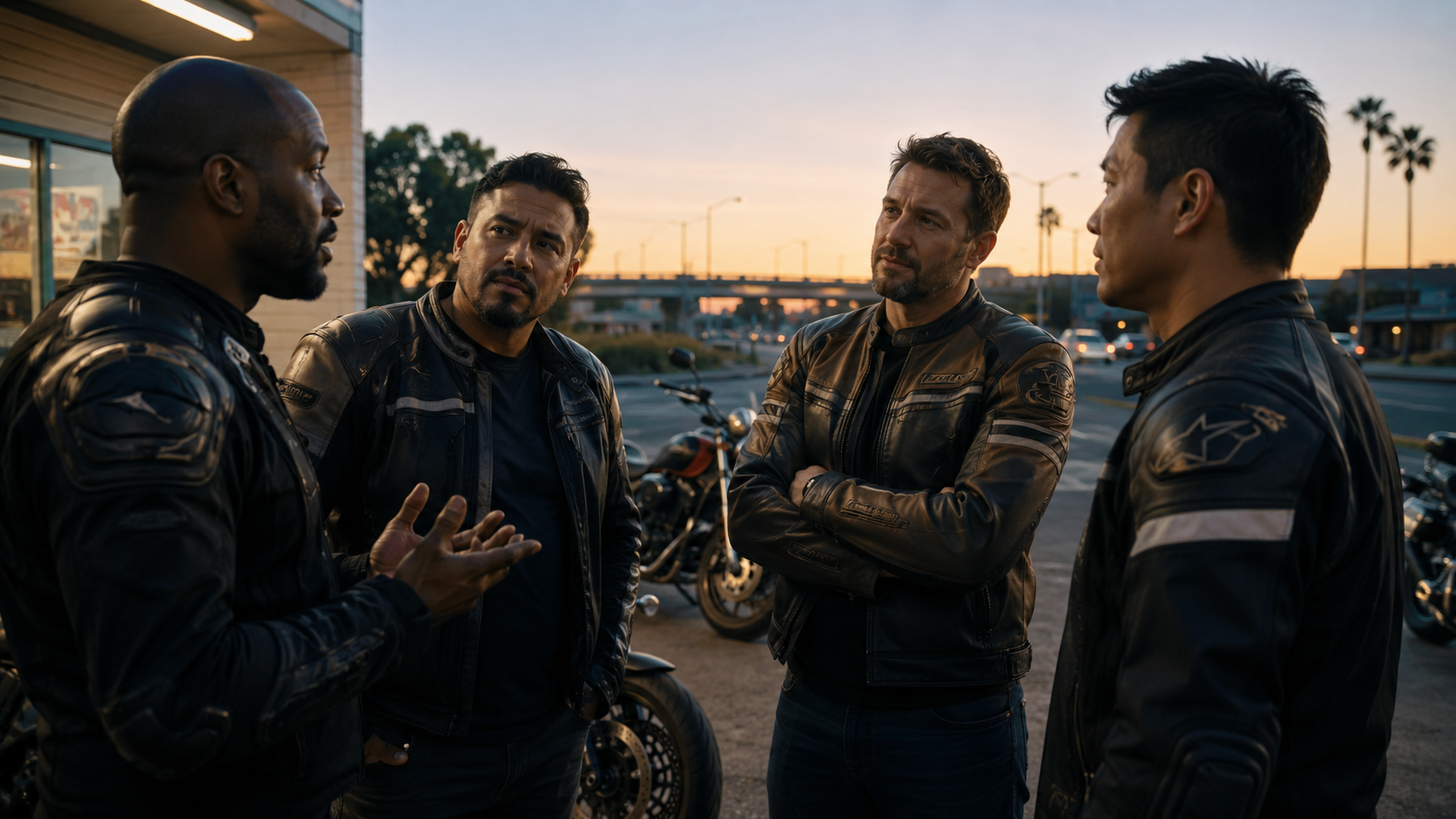
Here is the part that stings. You cannot practice looking confident on a motorcycle in private. The parking lot drills happen in private, sure, but the real test always happens in front of other people, whether that is a line of cars behind you at a light or a group of riders you just met at a gas stop. Everybody is watching everybody else’s hands, their throttle control, the way they roll out of a stop. New riders feel that audience acutely, even when nobody is actually judging them the way they assume.
So a lot of new riders start performing readiness before they actually feel it. They match the pace of a group they are not quite ready for. They skip asking the question that would expose how new they still are. They nod along in the pre-ride meeting instead of asking what a hand signal means, because asking feels like handing over proof they do not belong yet. I get it. I did the same thing decades ago, and I watched plenty of good riders do it since.
The truth the course never says out loud is that the performance is unnecessary. Every single rider in that parking lot, gas station, or group ride once stood exactly where the newest person is standing now. The ones worth riding with know that. The ones who do not know that are not the ones whose opinion should be shaping how honest you feel comfortable being on two wheels.
The Real Curriculum Starts After the Card Shows Up
None of this is a knock on the course itself. Every rider needs that foundation, and skipping it is how people get hurt. But treating the course as the end of your education instead of the start of it sets you up to think something is wrong with you the first time real riding feels harder than the practice did. Nothing is wrong with you. The practice was supposed to feel easier. That was the point of practice.
The real curriculum is everything that happens after. It is the ride where you got caught in weather you should have checked for and learned to read the sky better. It is the night ride where a deer taught you more about scanning the road edges than any instructor could. It is the friend who pulled you aside after a group ride and told you honestly that you were following too close, and you had to decide whether to get defensive or actually listen. That curriculum does not come with a certificate. It comes with miles, and it never technically finishes.
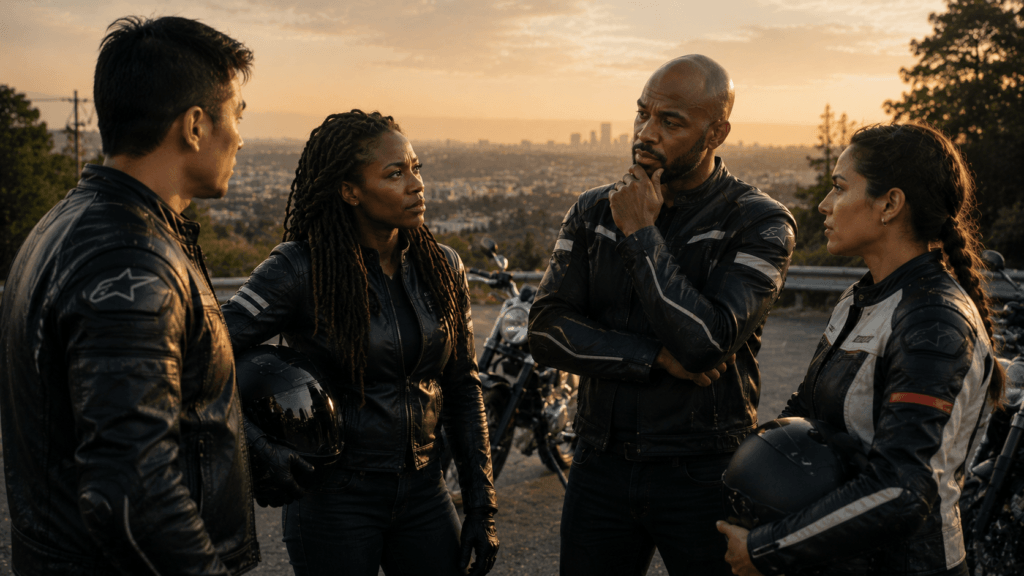
One Honest Question Before You Close This Out
Think about the last time you were around other riders and something happened, a maneuver, a hand signal, a piece of gear, that you did not actually understand. Did you ask about it, or did you nod along and figure you would look it up later? Be honest with yourself here, not with me. That moment says more about where you actually are as a rider than any certificate on your wall ever will.
Ronnie Canty | The Squirrelly Biker