The bike debate never really ends. Harley versus Honda. Sport bike versus cruiser. American iron versus Japanese engineering. Riders have been drawing those lines since before most of us threw a leg over anything. Walk into any group ride or rally and you will hear it within the first twenty minutes, somebody explaining — with genuine passion — why their choice is the only sensible one.
Here is what nobody says out loud: the bike is almost never the most interesting thing about the rider sitting on it.
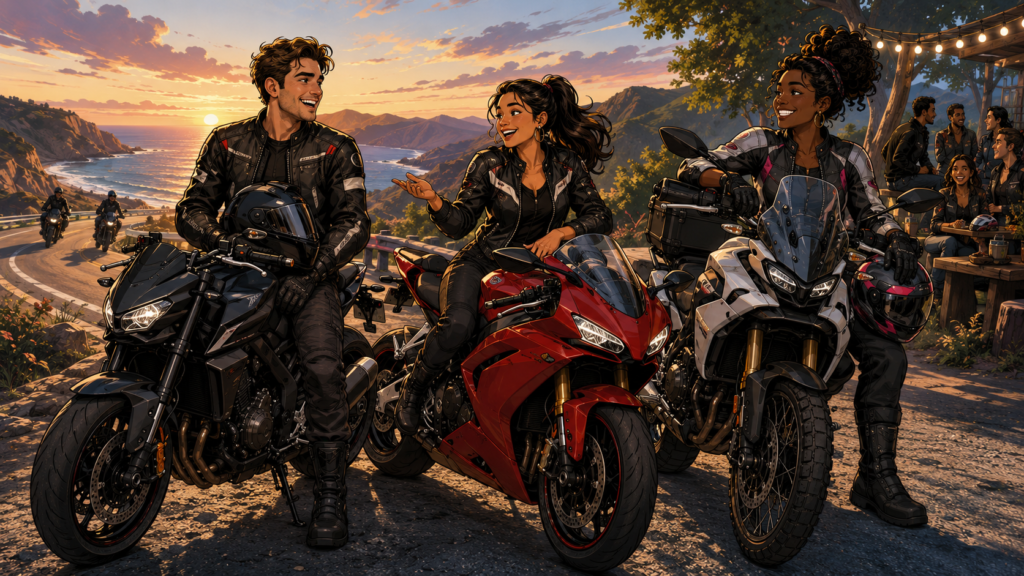
The Machine Is Just the Opening Line
When you meet someone new, their bike is the first sentence. It gives you something to start with. You learn a little about what they’re drawn to, maybe what they can afford, maybe what kind of riding they do most. A beat-up dual sport covered in mud tells you something different than a showroom-clean bagger with not a scratch on it. Neither one tells you everything.
The bike sets the stage, but the rider tells the story. It takes about ten minutes of actual conversation to figure out who someone really is on two wheels. You want to know if they ride when it’s cold. You want to know if they push themselves or always stay comfortable. You want to know if they’ve put the bike down, picked it up, and kept going. That information never comes from the make and model. It comes from how they talk about their miles.
What the Miles Actually Tell You
There is a version of the motorcycle lifestyle that never really gets dirty. The bike comes out on perfect Saturdays. The gear is pristine. The ride ends before it gets challenging. There is nothing wrong with that. Riding is supposed to bring you joy, and however you find that joy is your business.
But if you want to understand what kind of rider someone actually is, look at their relationship with discomfort. The riders who keep going when the weather turns. The ones who ride long enough that their back starts talking to them and they ride through it anyway. The ones who took a route they were not sure about and figured it out as they went. Those are the riders who have something interesting to say when the conversation gets real. The bike they chose to do all that on is honestly beside the point.
A rider who has covered serious miles on a basic commuter knows things a brand-new flagship bike owner is still learning. That is not a knock on the person with the new bike. It is just a fact about what experience teaches you that equipment alone cannot.
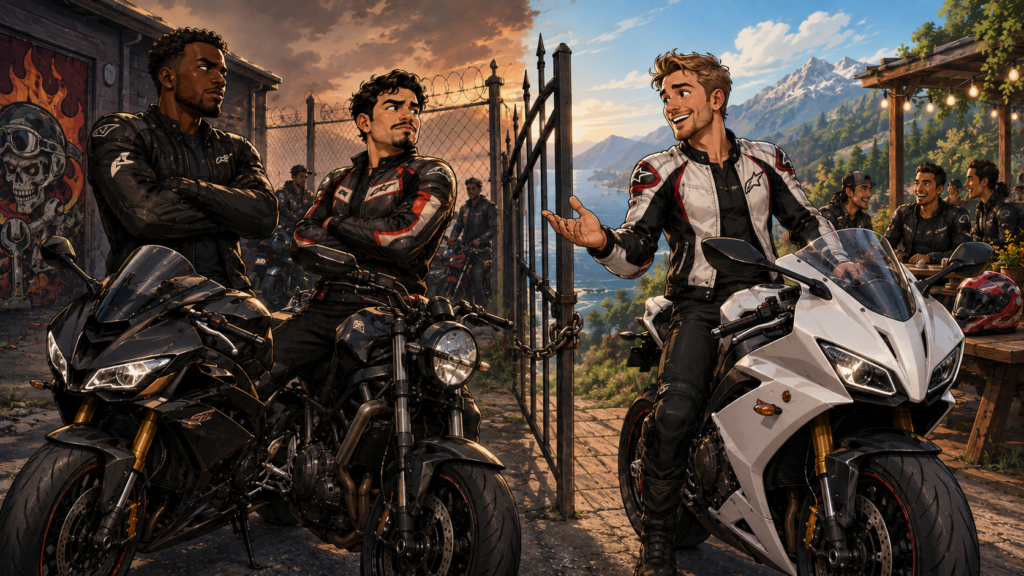
The Gatekeeping Goes Both Ways
The motorcycle community has a well-documented gatekeeping problem. Riders judging other riders for riding the wrong kind of bike, the wrong brand, the wrong way. Cruiser guys looking sideways at sport bike riders. Adventure riders acting like they invented real riding. It is boring and it is everywhere. Most riders have experienced some version of it.
What is less talked about is the gatekeeping that goes the other direction. The assumption that someone on a cheap bike or a small displacement machine is not a serious rider. The way some riders in entry-level gear get treated at events like they haven’t earned the right to be there yet. The quiet dismissal of someone who doesn’t have the “right” setup. That version of gatekeeping is just as real, and it misses the same point. Gear and bike budget are about access to money. They are not a measure of who you are on the road.
Some of the best riders I’ve ever crossed paths with were on bikes that would not win a single beauty contest. Some of the worst decision-makers I’ve seen were sitting on machines that cost more than most people’s cars. The bike had nothing to do with either one.
What Actually Separates Riders
If the bike doesn’t tell you who someone is, what does? After enough miles and enough conversations in parking lots, a few things start to stand out.
How someone handles the unexpected tells you almost everything. A tire going soft. A lane change that almost wasn’t a lane change. Getting caught in weather that turned bad faster than the forecast said it would. Riders who have been through those moments and came out the other side with perspective instead of panic, those are the ones worth riding with. You cannot buy your way into that kind of response. You build it one uncomfortable mile at a time.
The other thing worth watching is how riders treat people who are still learning. Patience with a new rider who is figuring out their pace says a lot about character. So does impatience. The way someone talks about their own early mistakes tells you whether they remember what it felt like to not know yet. The riders who have held onto that memory tend to be better for the community than the ones who have decided their current level of skill means they’ve earned the right to be dismissive.
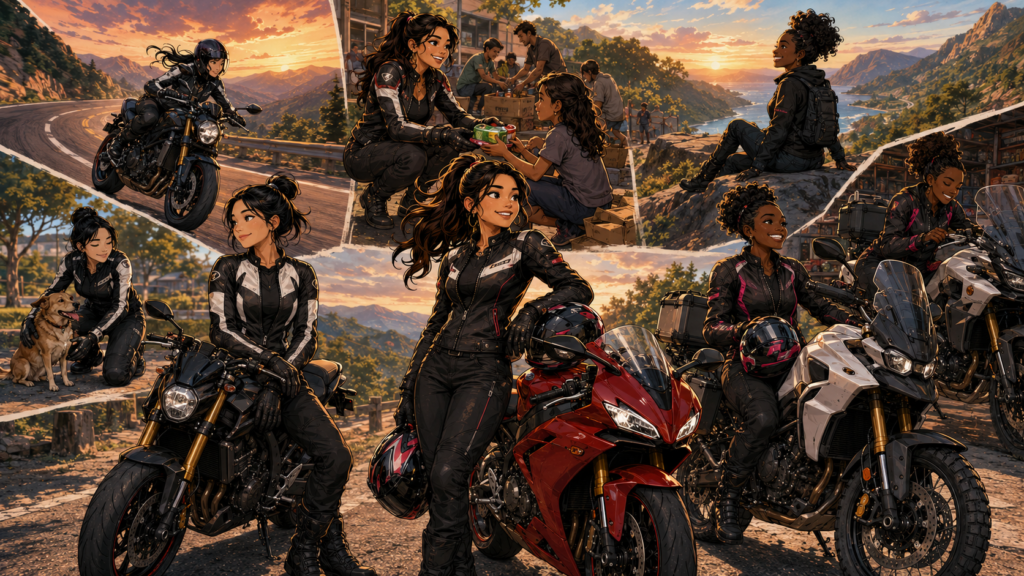
The Bike You Choose Is Personal. What You Do With It Is Character.
There is real joy in picking a bike that fits your personality. The aesthetics matter. The feel matters. Whether you love the sound or the stance or the history behind a particular brand, all of that is a legitimate part of why people ride. Nobody is saying the bike doesn’t matter.
The bike just doesn’t matter as much as people pretend it does when they’re using it to sort each other into categories. A chrome-covered cruiser doesn’t make someone a poser. A crotch rocket doesn’t make someone reckless. A used adventure bike with three previous owners doesn’t make someone a serious explorer. And a brand-new premium machine doesn’t make someone a real rider.
The miles do that. The decisions do that. The way you handle yourself when things go sideways, when it gets hard, when the ride asks more of you than you expected, that’s what does it.
The bike is how you get there. Who you are on it is the whole point.
Ronnie Canty | The Squirrelly Biker