You know the nod. Two riders pass each other going opposite directions, and for about half a second, a hand drops off the bar, two fingers point down, and the head tips just enough to count. No words. No eye contact past that first glance. It happens in under a second and then it’s gone, both bikes already gone the other way. If you’ve never ridden, it probably looks like nothing. If you have, you know it’s not nothing at all.
I’ve been getting that nod off and on for over forty years, and I still notice when I don’t get one. It sticks with you longer than it should. You’ll be five miles down the road, thinking about something else entirely, and some small part of your brain is still turning over the fact that the guy on the other bike looked right through you like you weren’t even out there.
That’s the strange power of a gesture that costs nothing and takes less than a second. It’s small enough that nobody would ever call it a big deal, and important enough that most riders can tell you exactly how it feels to be left out of it. We don’t talk about it much because it seems too minor to bring up. But minor things that happen a thousand times start to add up to something that isn’t minor at all.
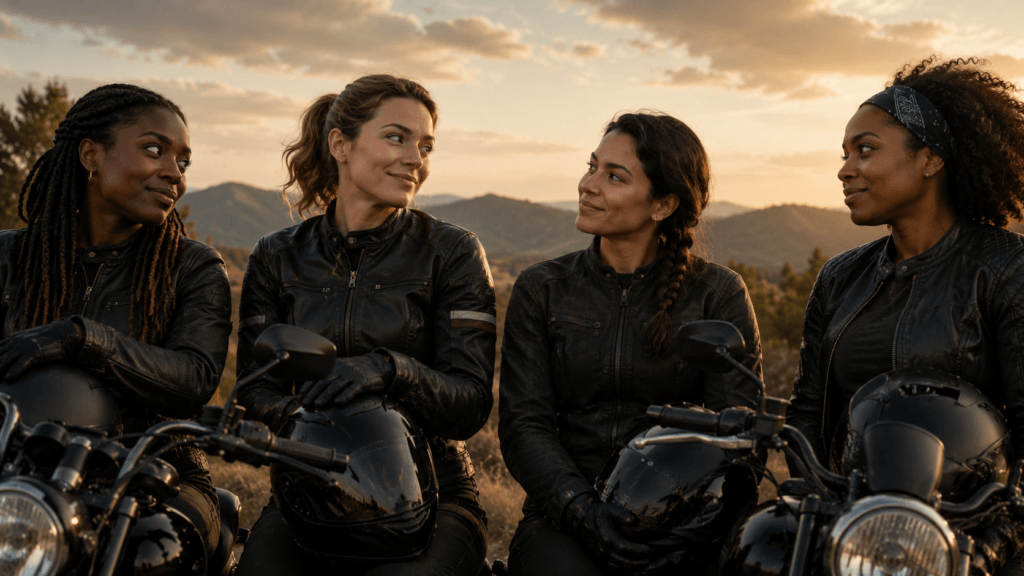
What the Nod Actually Says
The nod is shorthand for something bigger than a wave. It says I see you. It says we’re doing the same thing out here, whatever that thing costs us today, the wind, the heat, the guy in the SUV who never checked his mirror. It says welcome to the club without ever saying the word club, because saying it out loud would ruin the whole point. That’s the real magic of it. It works because nobody has to explain it.
But here’s where it gets complicated, and where most riders stop thinking about it too soon. The nod isn’t given out evenly. Some riders get it from everyone. Some riders get it from almost nobody. And a whole lot of people who ride motorcycles never get it at all, not because they’re doing anything wrong, but because somebody decided they don’t count.
I think about the new rider on a beginner bike, still learning where the friction zone actually sits, still a little stiff in the shoulders because the whole thing is new and their body hasn’t relaxed into it yet. That rider needs the nod more than anybody on the road that day. It’s the closest thing motorcycling has to somebody saying keep going, you’re one of us now. Instead, plenty of new riders get nothing. They get passed by veterans who glance at the bike, glance at the plate, and decide the rider hasn’t paid enough dues yet to earn a hand off the bar.
Who Decides Who Gets the Nod
Ask around and you’ll hear the excuses dressed up as standards. Cruiser guys don’t nod at sport bike riders because sport bike riders go too fast and give the whole community a bad name. Sport bike riders don’t nod at cruiser guys because cruisers aren’t real riding, just noise and chrome. Some folks won’t nod at anyone on a scooter, a Harley, an adventure bike, or anything that doesn’t match the specific picture in their head of what a rider is supposed to look like.
None of that has anything to do with skill. None of it has anything to do with how many miles somebody’s put in or how they handle themselves when the weather turns ugly. It’s about tribes. It’s about a very small, very human instinct to draw a line and stand on the side of it that feels like it matters more. I’ve done it myself, more than once, and I wasn’t proud of it either time I caught myself doing it.
The truth is uncomfortable if you sit with it long enough. Every rider who’s ever skipped the nod for somebody on the “wrong” kind of bike was protecting something. Usually it’s not the road. It’s an identity that feels a little too fragile to share.
I watched this play out at a gas station a few summers back. A guy pulled in on a scooter, full gear, careful with his kickstand, clearly somebody who took the ride seriously even if the engine was small. Two riders on big touring bikes stood near the pumps and didn’t say a word to him. Didn’t nod when he rolled in. Didn’t nod when he rolled out. They talked to each other the whole time like he wasn’t standing fifteen feet away in the same gear, doing the same thing they were doing, just on a different machine. He noticed. You could see it in how quickly he filled up and left.
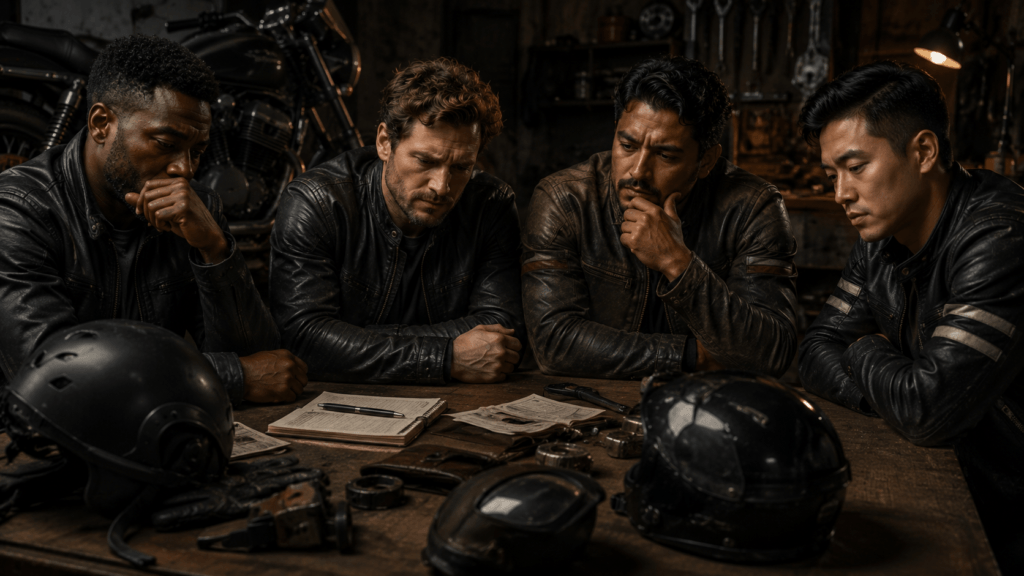
The Cost Nobody Talks About
Here’s what gatekeeping actually does, and it’s worse than just being rude to a stranger on a Tuesday afternoon. It shrinks the whole thing down. Motorcycle culture only survives because people keep showing up, keep buying bikes, keep learning to ride even when it’s hard and expensive and their family thinks they’ve lost their mind. Every rider who gets left out of the nod, the wave, the conversation at the gas pump, is one more person who quietly decides this world isn’t for them after all.
I’ve talked to riders who stopped going to group rides because they felt like they were being sized up the second they rolled in. I’ve talked to people who bought exactly the bike they wanted and then felt embarrassed to park it next to certain crowds. That’s not culture protecting itself. That’s culture eating its own future one cold shoulder at a time.
And the thing is, the people doing the gatekeeping rarely think of themselves that way. They think they’re maintaining standards. They think they’re the ones keeping riding honest. What they’re actually doing is deciding, bike by bike, who gets to belong to something that was never theirs to hand out in the first place.
What the Nod Could Actually Be
I’ve started giving the nod to everybody. Cruisers, sport bikes, scooters, dirt bikes on the road, doesn’t matter. Every single one of them made a choice most people never make. They got on two wheels and accepted the risk that comes with it. That’s the actual thing we have in common, not the brand on the tank or the shape of the seat. Once you strip away the tribal stuff, it’s a short list. We ride. That’s it. That’s the whole club.
It costs me nothing to give the nod to somebody I’d have skipped twenty years ago. It costs the culture everything when enough of us keep skipping it.
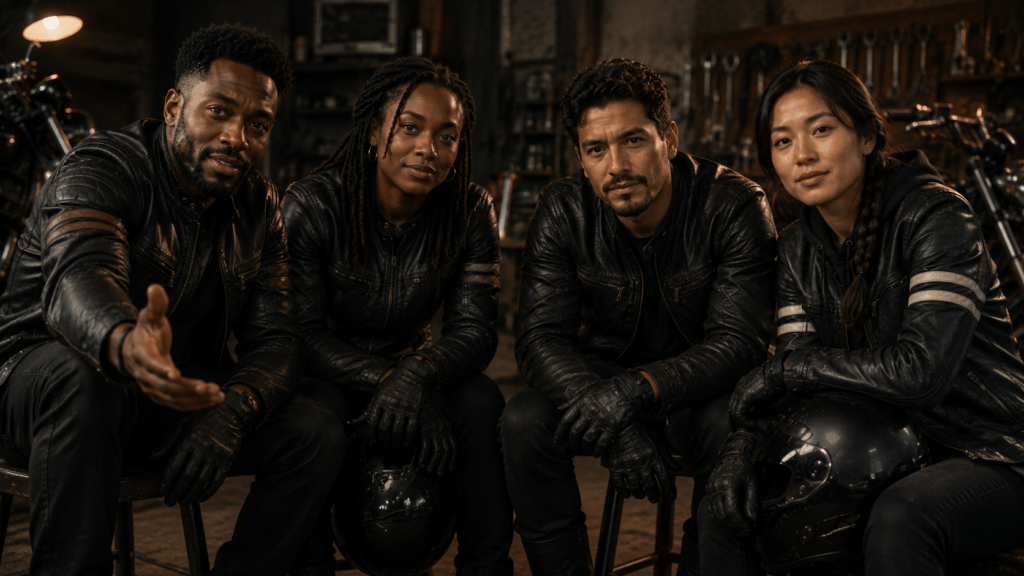
Your Turn
Think back to the last time you rode and passed another rider going the other way. Did you nod at them, or did you clock the bike first and decide they didn’t quite earn it? Be honest about it, even if the honest answer is uncomfortable. That half second says more about what you think this culture is for than almost anything else you’ll do on two wheels this week.
Ronnie Canty | The Squirrelly Biker