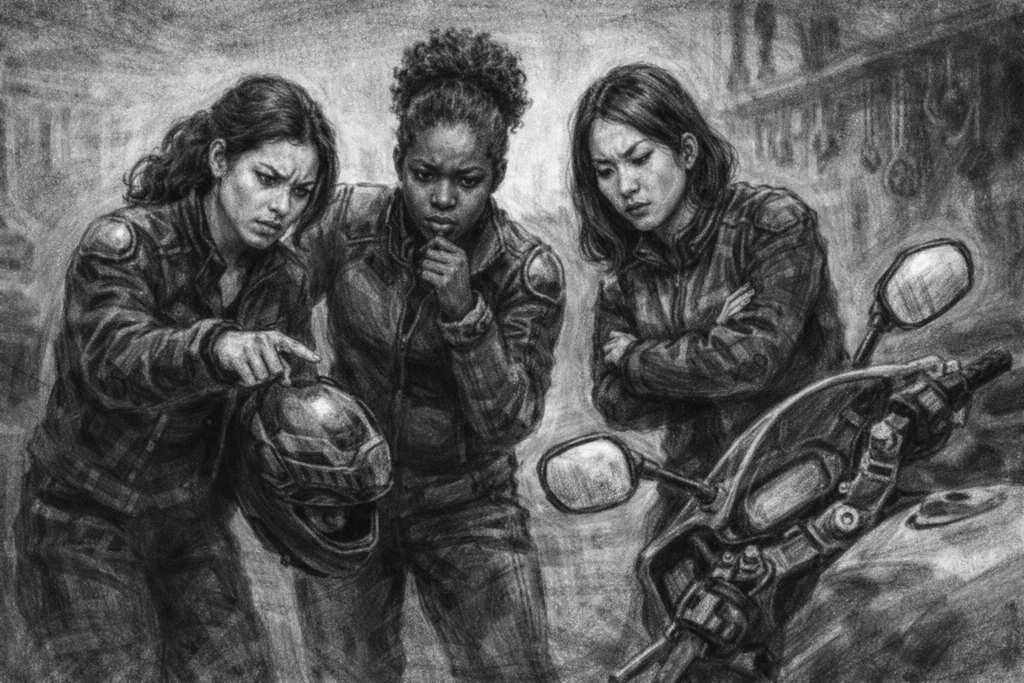
There is a certain kind of confidence that shows up before someone makes things harder than they need to be. It is quiet, almost logical. You tell yourself you already know how to drive, you understand roads, and a motorcycle is just a smaller machine with fewer parts. So you decide to skip the class, save the money, and learn by doing. On paper, that sounds efficient. In practice, it turns your early riding experience into a series of unstructured experiments where the feedback is not always gentle.
You can figure it out. That part is true. The real issue is that motorcycles are not forgiving teachers. They do not correct you slowly. They respond immediately, and sometimes harshly, to whatever input you give them. That means every mistake carries more weight, and every bad habit settles in faster than you expect.
You Do Not Start From Zero, You Start From Assumptions
Most beginners who skip training believe they are starting from scratch, but that is not what actually happens. You start with assumptions carried over from driving a car, riding a bicycle, or simply watching other riders. Those assumptions feel reasonable, which makes them harder to question. The problem is that motorcycles operate on a different set of physical and mental rules, and those rules do not always match what your instincts tell you.
For example, many new riders assume steering works the same way at all speeds. In reality, countersteering plays a major role once you pick up speed, and if you do not understand it, your control in turns will always feel uncertain. The bike may still turn, but you will not fully understand why, which limits how precisely you can handle it under pressure. That gap between action and understanding is where hesitation lives.
Training addresses those assumptions early. It replaces guesswork with explanation, and that explanation becomes the foundation for everything that follows.
Your First Habits Become Your Default System
When you teach yourself, the first way you succeed becomes the way you repeat. If you manage to start the bike without stalling by over-revving the engine, that becomes your starting habit. If you stop the bike using mostly rear brake because it feels safer, that becomes your braking habit. If you tense up and grip the bars tightly because you feel unstable, that becomes your riding posture.
None of these habits feel wrong at first. In fact, they feel like small wins because they help you get through the moment. The issue is that they do not scale well as situations become more complex. A habit that works in an empty parking lot may fail when you need precision at higher speeds or in tighter spaces.
Structured training interrupts that process. It corrects technique before it becomes habit, which saves you from having to unlearn it later. Unlearning is always slower and more frustrating than learning correctly the first time.
The Learning Curve Becomes Uneven
Self-taught riders often experience what feels like progress, followed by sudden discomfort. One day, everything feels smooth. The next day, a simple turn feels awkward or a stop feels rushed. That inconsistency is not random. It comes from building skills in pieces without a clear order.
You might get comfortable with straight-line riding before you understand proper braking. You might learn basic turns before you understand how to look through them correctly. Each skill develops in isolation, which creates gaps between them. When those skills need to work together, the gaps become obvious.
A safety course is designed to build skills in sequence. Each exercise supports the next one, so progress feels more stable. You are not just improving. You are improving in a way that holds together under pressure.
Stress Shows Up Earlier Than Expected
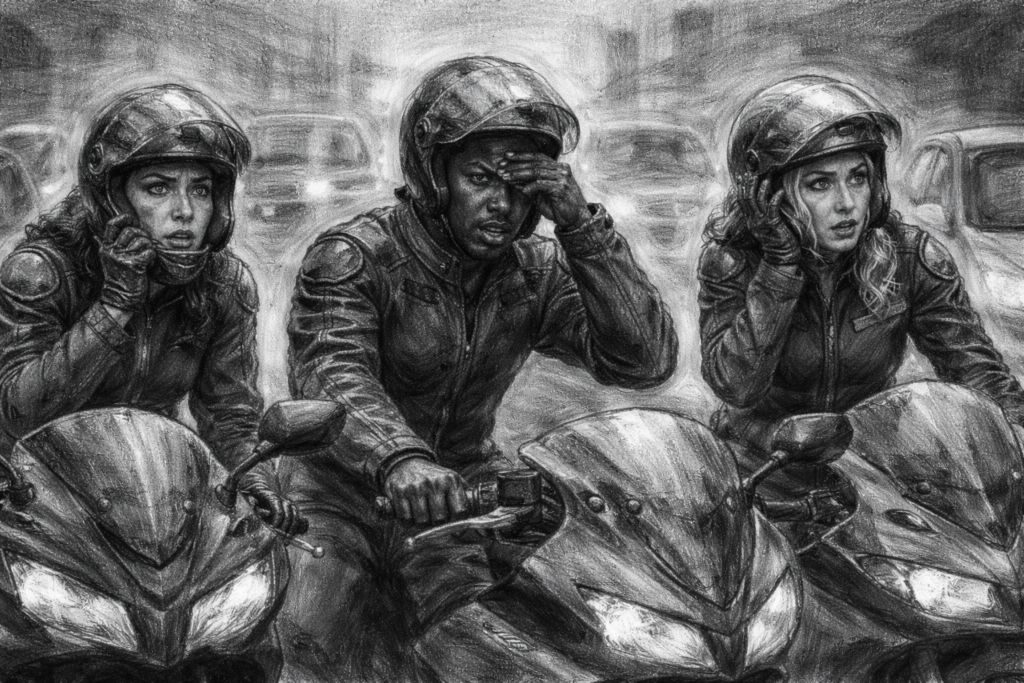
One of the biggest differences between trained and untrained riders is how early stress appears in the learning process. Without training, stress enters the picture quickly because you are trying to manage too many variables at once. You are thinking about clutch control, throttle input, balance, traffic, road conditions, and your own uncertainty all at the same time.
That mental load reduces your ability to react smoothly. When something unexpected happens, your brain does not have spare capacity to adjust. It defaults to whatever feels safest in the moment, which is often abrupt braking or freezing up.
In a controlled training environment, those variables are introduced gradually. You focus on one skill at a time until it becomes familiar. By the time you enter real traffic, your brain is not overloaded. It has room to observe, decide, and respond instead of simply react.
Close Calls Become Your Feedback System
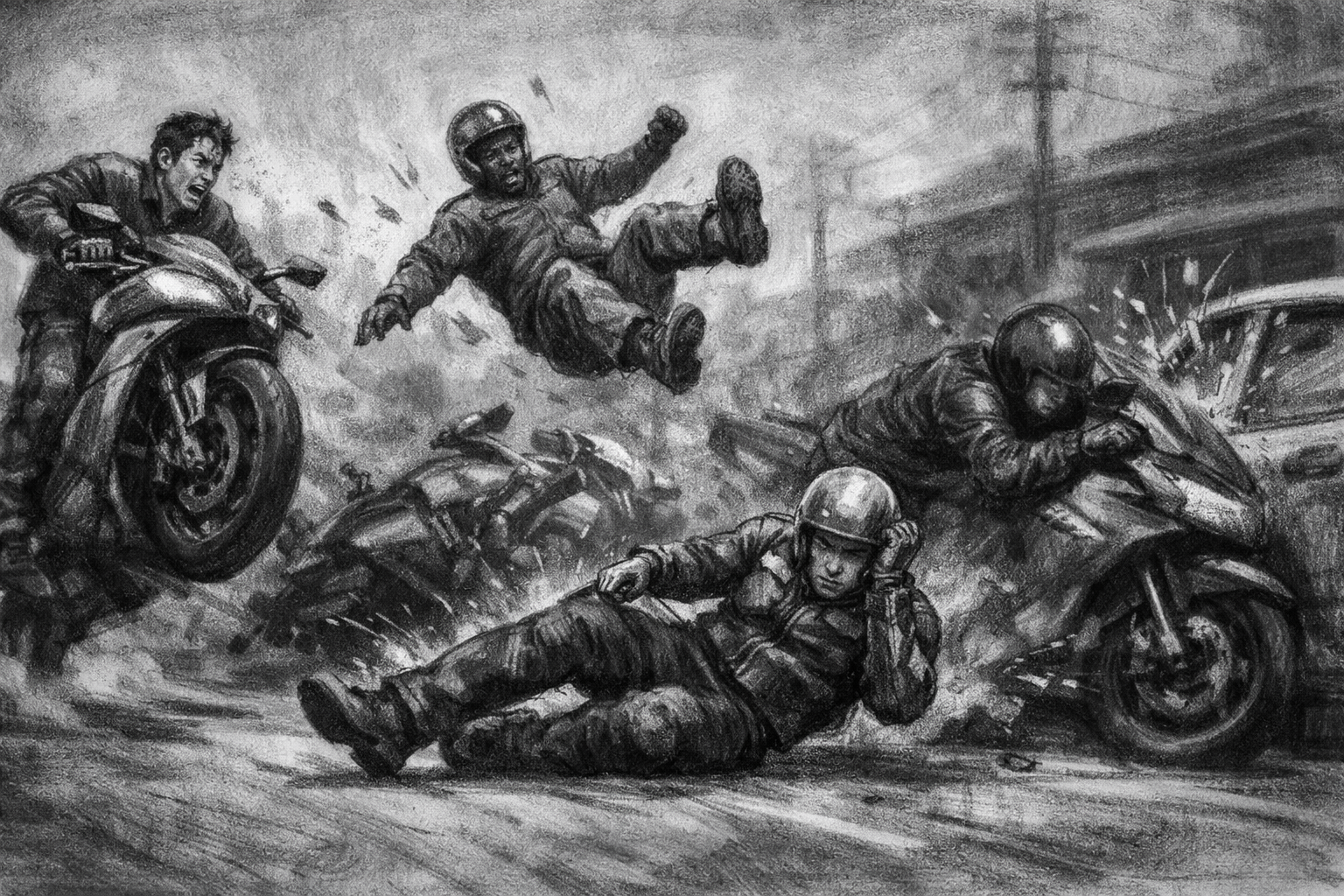
When you skip training, your primary teacher becomes experience, and experience often teaches through close calls. You stall in traffic and feel the pressure of cars behind you. You misjudge a turn and run wider than expected. You brake too hard and feel the bike react in a way that surprises you.
Each of these moments teaches a lesson, but it is not the most efficient way to learn. The feedback comes after the mistake, and sometimes the lesson is not fully clear. You may know something felt wrong, but not understand exactly what caused it or how to fix it.
Training provides immediate, clear feedback. An instructor can point out what you did, why it happened, and how to correct it on the next attempt. That clarity speeds up learning and reduces the number of mistakes you need to make personally.
Confidence Builds, But It Builds Unevenly
Confidence without training tends to grow in narrow areas. You might feel comfortable riding in a straight line or at low speeds, but still feel uneasy in tighter turns or quick stops. That uneven confidence creates hesitation, and hesitation affects decision-making.
For example, if you are not fully confident in your braking ability, you may follow traffic more cautiously than necessary. That sounds safe, but it can also put you in awkward positions where you react late instead of early. Confidence is not just about feeling good. It is about trusting your ability to execute when needed.
Training builds confidence across a wider range of situations. Instead of feeling comfortable in one area and uncertain in another, you develop a more balanced skill set. That balance makes your riding feel smoother and more predictable.
You Miss the Mental Side of Riding
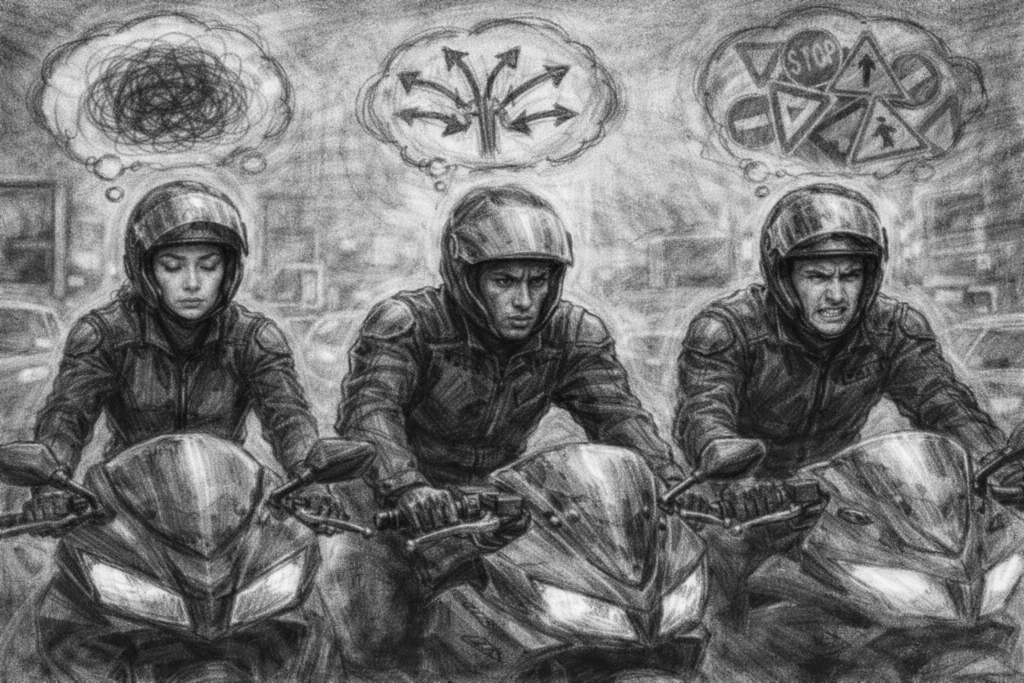
Most beginners focus on the physical side of riding, such as throttle control and balance. Those are important, but they are only part of the equation. The mental side, which includes awareness, positioning, and anticipation, plays an even larger role in long-term safety.
Without training, riders often develop a reactive mindset. They respond to what is directly in front of them instead of scanning the environment for potential risks. They focus on staying upright instead of thinking about where the next problem might come from.
A safety course introduces structured awareness. You learn how to read traffic patterns, how to position yourself for visibility, and how to maintain escape routes. These are not obvious skills, yet they reduce risk more than any single physical technique.
The Time You “Save” Gets Paid Back Later
Skipping training feels like saving time. You get on the bike sooner. You start riding right away. But that time is not actually saved. It is deferred.
You spend more time later correcting habits, rebuilding confidence, and figuring out concepts that could have been explained in minutes. The learning process stretches out, and progress feels slower than it needs to be.
Riders who take a course often compress that early learning phase. They invest time upfront and gain smoother progress afterward. Over the long run, they reach the same destination with fewer detours.
So What Really Happens?
If you skip motorcycle training, you do not fail automatically. You ride, you learn, and you improve over time. But the path is less efficient and more stressful. You rely on trial and error instead of guided progression. You build habits before you understand them. You gain confidence, but not always in the areas that matter most.
Training does not remove all risk, and it does not make you an expert overnight. What it does is give you a structured starting point. It reduces unnecessary mistakes and helps you understand what you are doing as you do it. That understanding is what turns movement into skill.
The Bottom Line
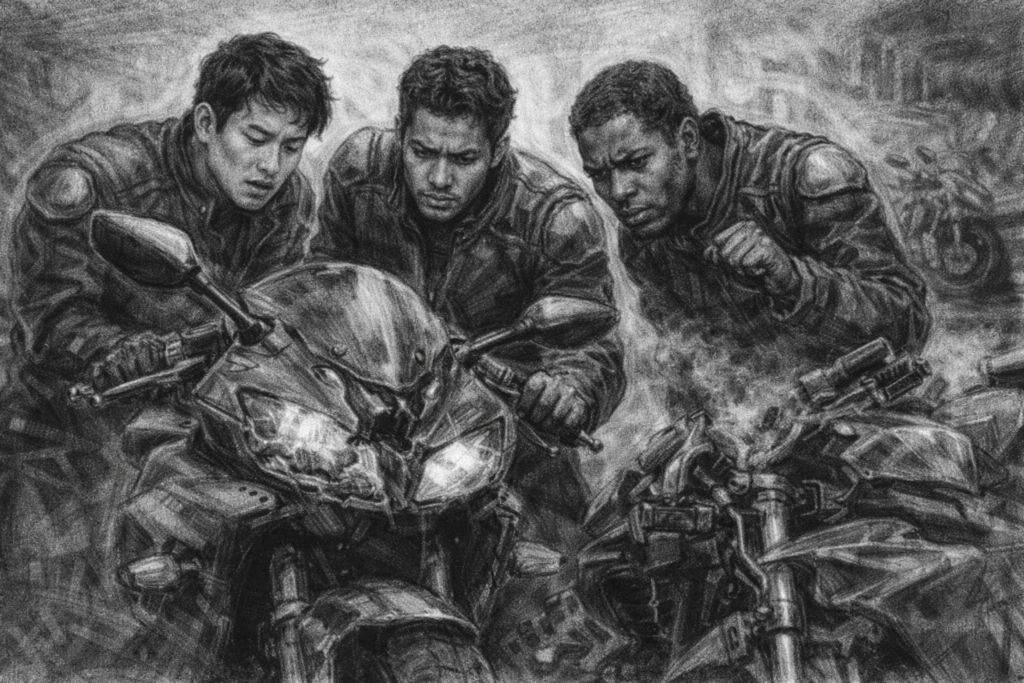
Skipping training is not about whether you can ride. It is about how you learn to ride and what that process costs you. Motorcycles reward precision, awareness, and consistency. Those qualities develop faster with guidance than without it.
If you choose to figure it out on your own, you will still learn. You will just learn in a way that depends more on chance and less on structure. Over time, most riders realize that structure is not a limitation. It is an advantage.
Because on a motorcycle, the goal is not just to get moving. It is to move with control, clarity, and confidence in situations that do not give you time to think twice.
Final Thought
Riding is supposed to make your life bigger, not shorter.
If something in this post made you think twice, good. That pause is where better decisions live.
Stick around.
Read more.
Learn from stories that weren’t free to earn.
Because the goal isn’t to ride harder.
It’s to ride longer.
R.L. Canty | The Squirrelly Biker